
Last updated October 17, 2026
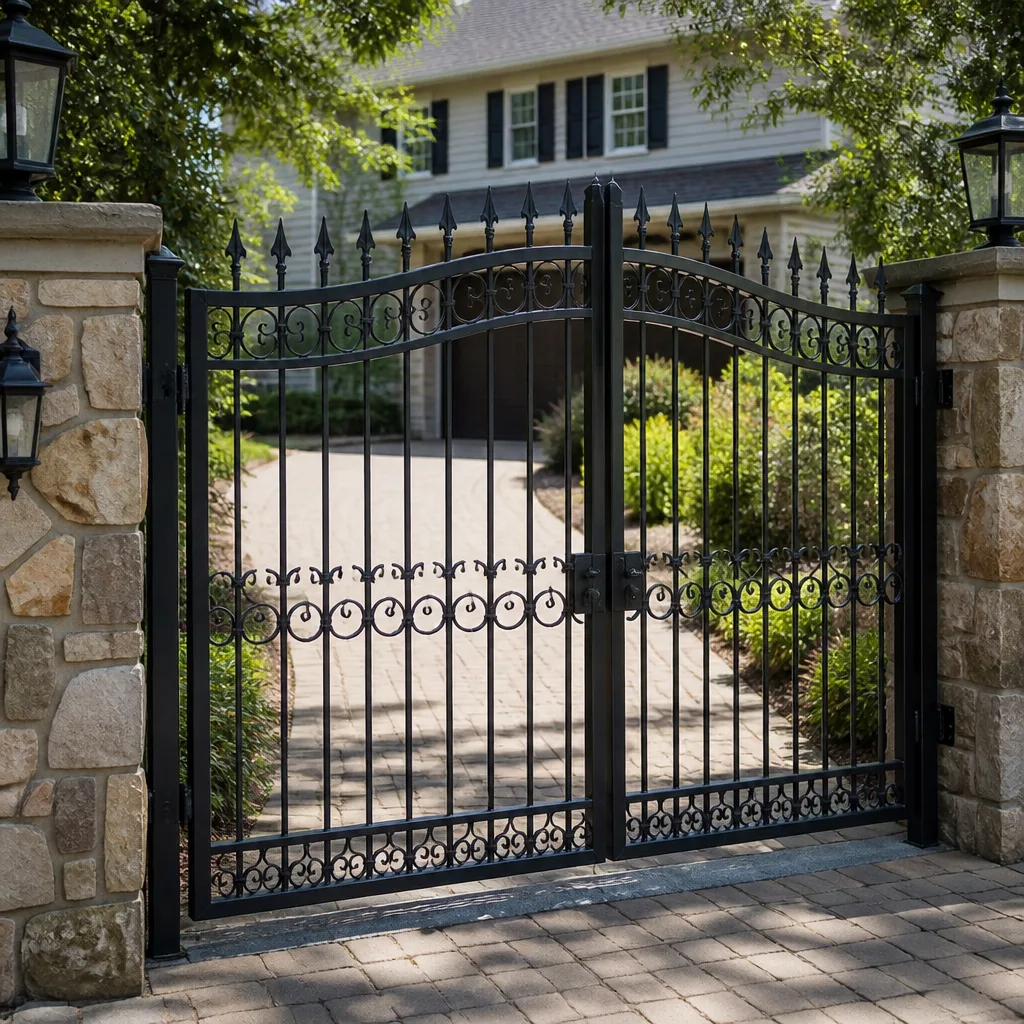 Wrought iron
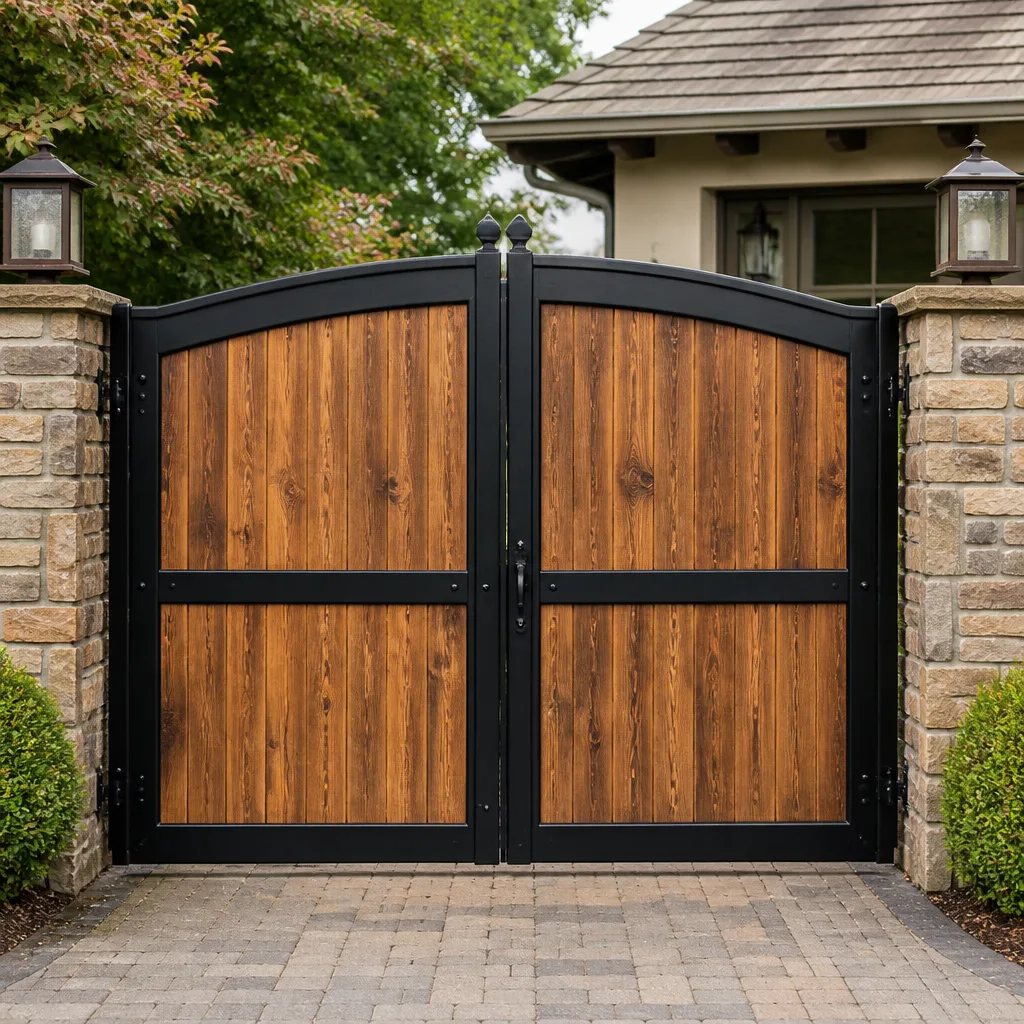 Wood & steel frame
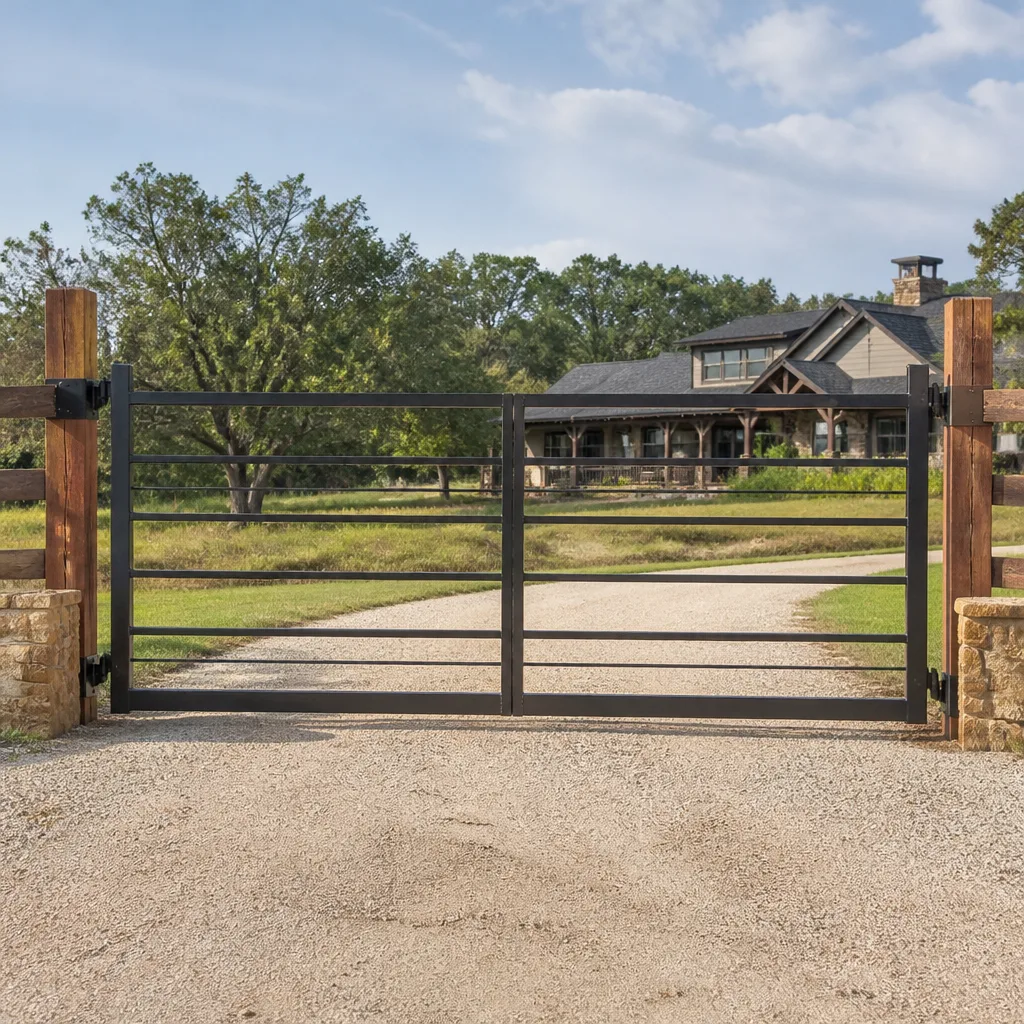 Farm & ranch
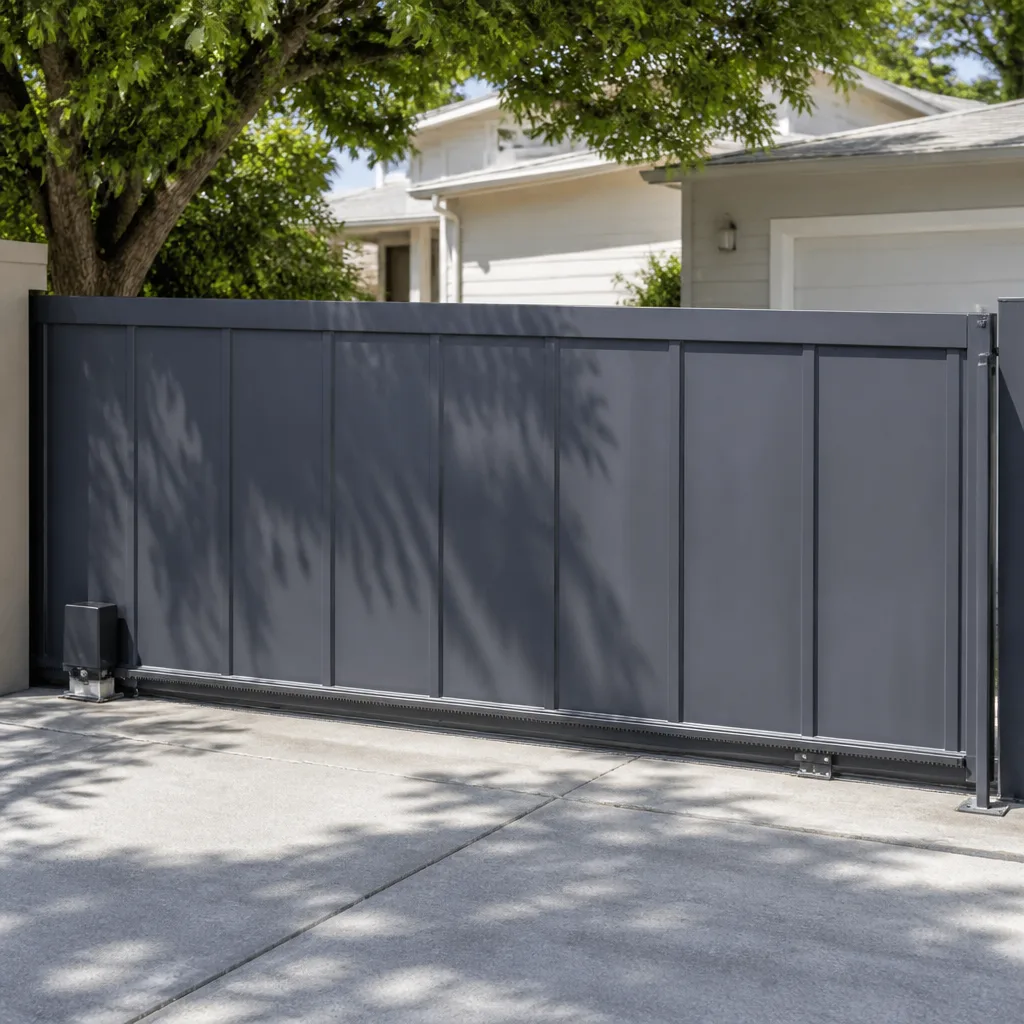 Sliding driveway gates
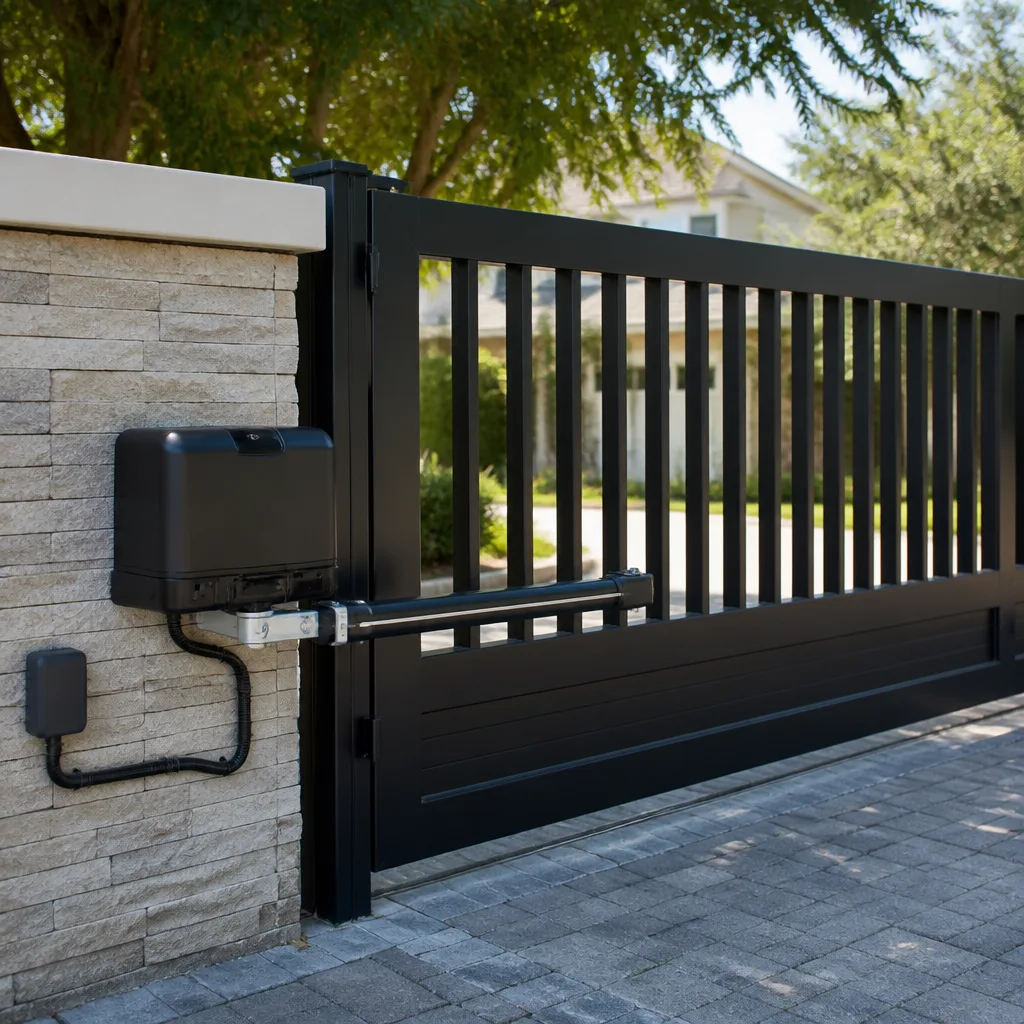 LiftMaster operators
Free on-site gate assessment - hinges, posts, and your LiftMaster or Nice gate operator checked before anything is quoted
The assessment is free and the quote is the invoice.
Get your free estimateGate Repair Permits, Codes & Inspections in TX: What You Need to Know
A homeowner in Alamo Heights replaced a failed gate operator without a permit, and when they later sold the house, the unpermitted electrical work surfaced in the inspection and delayed closing by three weeks. The fix cost them $1,300 in rush fees plus a $150 permit that would have taken five business days the first time around. This guide draws a precise line between gate repairs that are exempt from permitting in San Antonio and work that triggers City of San Antonio development code requirements. If you own a gate here, you need to know which side of that line you’re on before the first screw comes out.
Quick Answer
Simple gate repairs in San Antonio – replacing a latch, hinge, or picket, or swapping a manual gate for another manual gate of the same swing – generally do not require a permit. But adding a new electric gate operator, installing a gate where none existed, or changing the swing radius of an existing gate does trigger City of San Antonio permitting requirements and, in many cases, a licensed electrician’s sign-off. For details on what to watch for, see our Gate Repair Warning Signs: A San Antonio Homeowner’s Reference Guide. HOA architectural review is a separate process from city permitting and applies in many San Antonio neighborhoods even when the city does not require a permit.
Styles & brands we work with
Table of Contents
- What Gate Repairs Are Permit-Exempt in San Antonio
- What Gate Work Requires a Permit
- HOA Architectural Review: The Second Approval Layer
- Why the Electrical Connection Almost Always Needs a Licensed Electrician
- What Your Gate Contractor Should Put in Writing Before Work Starts
- The Inspection Process for a New Automatic Gate in San Antonio
- City of San Antonio Code Sections That Govern Gates
- What Permits and Inspections Cost
What Gate Repairs Are Permit-Exempt in San Antonio
The City of San Antonio treats most mechanical gate repairs the way it treats fixing a fence board: as maintenance, not construction. If you are restoring an existing gate to its original condition and use, you generally do not need a permit. In our experience across San Antonio, the most common exempt repairs are latch replacement, hinge replacement, picket or slat replacement, wheel or roller replacement, and manual gate operator adjustments.
Here is the working list we give clients in Stone Oak, Alamo Heights, and Terrell Hills when they ask whether a repair needs a permit:
- Latch or lock replacement: Exempt. This is hardware restoration on an existing gate.
- Hinge replacement: Exempt, as long as the gate hangs in the same position and swings in the same direction.
- Picket, slat, or panel repair: Exempt when you’re replacing damaged components with comparable materials on the existing frame.
- Track or wheel replacement on a sliding gate: Exempt. This is maintenance of the existing rolling assembly.
- Manual gate replacement with a manual gate: Exempt when the new gate matches the original swing, height, and footprint. The moment you alter the swing direction or increase the gate’s height past code limits, you leave exempt territory.
What matters to the city is whether the work changes the gate’s relationship to the property line, the public right-of-way, or the electrical system. None of the repairs above do. A latch swap on a gate in a San Antonio neighborhood like Castle Hills keeps the gate where it already stood, doing what it already did. The city has no interest in that.
One nuance: San Antonio’s Unified Development Code exempts site features under 30 inches in height and certain moveable site features from some zoning rules, but that exemption concerns placement, not mechanical repair. A gate that already exists in a compliant location stays compliant when you fix its latch. You’re not creating a new site feature; you’re maintaining an existing one. That distinction is the heart of the permit question.
What Gate Work Requires a Permit
The line is crossed when the work creates something new or changes something structural. In San Antonio, three categories of gate work trigger permitting requirements under the city’s adopted building codes and the Unified Development Code: new gate installations, electric gate operator installations, and any modification that changes the gate’s swing, height, or footprint.
Here is the permit-required list, with the reasoning the city uses:
- Installing a new gate where none existed: This is new construction. You are adding a site feature, which means zoning review for setback compliance and, if the gate faces a public street, right-of-way clearance.
- Installing an electric gate operator or automatic opener: This is electrical work. The operator connects to a power source, and that connection falls under the city’s electrical code. A permit is required even if you’re automating an existing manual gate.
- Changing the swing direction or radius of an existing gate: San Antonio code mandates clear zones so a gate cannot swing across a public sidewalk or into the public right-of-way. If you change a gate from inward-swinging to outward-swinging at a property lined by city sidewalks, that’s a code issue the city reviews.
- Raising an existing gate’s height above what the zoning district allows: Most residential districts in San Antonio cap fence and gate heights at 6 feet in rear yards and, with setbacks, between 4 and 6 feet in front yards. Raising a gate above these thresholds without review can draw a code enforcement notice.
- Adding a gate across a driveway that opens onto a collector or arterial street: Gates across driveways on major streets require review for vehicle stacking distance. The city wants to confirm a car waiting at the gate does not block a travel lane. This requirement catches a lot of homeowners off guard because the automatic opener is what they notice, but it’s the gate’s position relative to the street that triggers the review.
If you’re outside the San Antonio city limits but inside Bexar County, the county applies its own development rules, which are generally lighter than the city’s but still require permitting for electrical connections and new site features. Homes in unincorporated areas like parts of Helotes and Leon Valley cross this boundary often enough that we ask about jurisdiction before quoting any automatic gate work.
HOA Architectural Review: The Second Approval Layer
Permitting and HOA approval are two different systems, and San Antonio has some of the most active HOA review environments in Texas. Even when the city says no permit is needed, your HOA may require architectural review before you change a gate’s appearance, material, or height.
The neighborhoods where we most often see HOA review stack on top of city permitting include:
- Alamo Heights: Strict architectural standards apply. Any visible change to a front-facing gate, including finish color, requires board review.
- Terrell Hills: Similar to Alamo Heights, with specific material restrictions. A change from wood to steel can be rejected outright.
- Stone Oak master-planned communities: Most communities here have design review committees that must sign off on gate replacements, especially for front-driveway gates.
- Dominion and The Vineyard: These communities regulate gate style, finish, and automation. They often require you to submit operator specifications along with the gate design.
- Castle Hills: Front gate colors and heights are governed by an architectural board that meets monthly, meaning a delayed application can add four to six weeks to a project.
The HOA process is not a substitute for city permitting, and city permitting is not a substitute for HOA review. A homeowner can hold a fully approved city permit and still be in violation of their HOA’s covenants. We’ve seen a Stone Oak homeowner install a beautiful steel driveway gate with the city’s blessing, then receive a violation notice because the HOA required bronze metalwork and the homeowner chose black. The gate stayed; a $900 powder-coat job followed.
Before any gate installation in San Antonio, ask your contractor to note in writing whether they handle HOA submissions or whether that’s the homeowner’s responsibility. Some companies include HOA paperwork in the scope of work; others leave it to the homeowner. What matters is that the responsibility is assigned before the first post hole is dug, not discovered after.
Why the Electrical Connection Almost Always Needs a Licensed Electrician
An electric gate operator is an appliance that pulls amperage from your home’s electrical panel. That connection is governed by the National Electrical Code as adopted by San Antonio, and it almost always requires a licensed electrician’s sign-off. This is the permit trigger most San Antonio homeowners overlook because the gate itself doesn’t look like “electrical work.”
The power run to a driveway gate typically involves one of the following, each of which falls under electrical permitting:
- A dedicated branch circuit from the main panel to the operator: Gate operators should not share a circuit with other loads. A new circuit means a panel connection, which is electrical work.
- Low-voltage wiring from a transformer to the operator: Many modern operators from FAAC, BFT, and Linear use low-voltage DC motors, but the transformer still connects to line voltage at a prescribed connection point.
- Conduit runs underground from the house to the gate post: Buried conduit in San Antonio’s alkaline soils requires depth and material review. The city wants to see that the conduit is rated for direct burial or runs inside approved raceway.
- Photocell safety beams and edge sensors: Automatic gates are required under UL 325 and applicable code to have entrapment protection. The wiring for these safety devices is part of the electrical permit scope.
Texas requires electrical work to be supervised by a licensed electrician. A gate contractor can install the operator itself, but the power connection should be signed off by someone holding a Texas electrical license. In San Antonio, that means the electrical permit gets pulled under the electrician’s license, and the inspection is scheduled through the city’s Development Services Department.
We install operators from FAAC, BFT, Linear, and Viking and have electricians in San Antonio who handle the panel side on every automatic gate we do. When a homeowner asks whether they can just run an extension cord out to the gate, our answer is the same one the city inspector gives: cord-and-plug connections are not a compliant permanent power source for an automatic gate. The fix that seems simplest is the one that fails inspection.
What Your Gate Contractor Should Put in Writing Before Work Starts
The most expensive gate permit problems in San Antonio are not the permit fees. They’re the disputes about who was supposed to pull the permit in the first place. A clear written scope of work that assigns permit responsibility protects both the homeowner and the contractor.
Before any gate work begins, ask the contractor to provide these items in writing:
- Permit responsibility: A sentence stating whether the contractor will pull the permit or whether the homeowner will. If the contractor pulls it, the permit number should appear on the invoice.
- Electrical scope: If the work includes an operator, the written scope should name the licensed electrician or electrical firm that will make the power connection.
- Code compliance statement: A note that the gate’s height, swing, and placement meet the City of San Antonio’s current requirements for the property’s zoning district.
- HOA submission status: If the property is in an HOA, the proposal should say whether the contractor will submit the architectural review application or whether the homeowner will.
- Line-item pricing: The written price should itemize the gate, the operator, the electrical work, the permit fees, and any inspection scheduling. A written price before work starts is the only way to avoid a moving number at the end.
- Inspection commitment: For permitted work, confirm who schedules the inspection and who is present when the inspector arrives. San Antonio inspectors expect the responsible party on site.
At Latch and Post Gate Repair San Antonio, every proposal includes a written price before any work begins, and that price shows exactly what’s included. The permit cost, the electrical scope, and the inspection schedule are listed as line items, not surprises. For details on what this looks like in practice, see our gate repair in San Antonio page for more on how we document each job. If a contractor won’t put permit responsibility in writing, that’s information.
The Inspection Process for a New Automatic Gate in San Antonio
A new automatic gate in San Antonio follows a defined inspection path. The typical timeline in 2026 runs about two weeks from permit approval to final sign-off, though the city’s Development Services Department has cut review times in recent years for residential projects that are complete when submitted.
Here is the step-by-step process for a permitted electric gate installation in San Antonio:
- Permit application: The contractor or electrician submits the application with a site plan showing the gate location, height, swing direction, and operator placement. City review for a straightforward residential gate takes three to five business days.
- Rough-in inspection: After the gate posts are set and the conduit is run but before the trench is covered, the inspector checks depth and material. This step applies when a power run is trenched from the house.
- Electrical inspection: The electrician completes the panel connection and the operator wiring. The inspector verifies the circuit, the disconnect location, and the grounding.
- Final inspection: The gate is hung, the operator is installed, and the safety devices – photocell beams and edge sensors on automatic gates – are in place. The inspector checks entrapment protection, swing clearance, and compliance with the approved plan.
- Certificate or sign-off: The inspector signs the permit as final. The city’s digital permitting system updates within a day, and the homeowner can download the final permit record.
If the property is outside city limits in Bexar County, the process is similar but runs through the county’s permitting office, and the timeline can stretch an extra week. HOA communities like Stone Oak do not delay city inspections – the two processes run in parallel – but the HOA may require evidence of city permit approval before its own architectural review is marked complete.
One practical note for San Antonio homeowners: most final inspections are scheduled online, and the city’s inspection windows are typically half-day. Someone needs to be on site. If the contractor schedules the inspection and no one shows, the fee is not refunded and the slot is lost.
City of San Antonio Code Sections That Govern Gates
San Antonio enforces gate requirements through the Unified Development Code, the adopted International Residential Code, and the National Electrical Code. If you’re the type who wants to look up the references yourself, these are the sections that matter for automatic gate work:
- San Antonio Unified Development Code (UDC), Article V, Division 7 – Fences and Walls: Sets height limits by zoning district. Residential front-yard fences and gates are generally limited to 4 feet in solid form, though many districts allow open materials like wrought iron to 6 feet. Gates attached to the fence line follow the same heights.
- UDC Section 35-514 – Visibility at Intersections: Gates cannot obstruct sight lines at driveway entries. This is the section inspectors cite when a tall solid gate sits too close to the street edge.
- International Residential Code (IRC) as adopted by San Antonio: Treated fence posts, gate framing, and structural integrity are covered here. The IRC requires gates to be framed with adequate support so they don’t sag below code-required clearances.
- National Electrical Code (NEC) Article 300 and Article 430: Governs the wiring methods for the power run and the motor circuit. San Antonio adopts the NEC with local amendments, and the city’s electrical inspectors enforce these articles on every automatic gate.
- UL 325: Not a city code section but an equipment standard, UL 325 is the entrapment-protection standard for automatic gate operators. San Antonio inspectors check that automatic gates have UL 325-compliant safety devices – photocells or contact edges – on both the open and close directions.
The UL 325 point matters even on repairs. If you have an older automatic gate in San Antonio that operates without working safety beams, that’s not a grandfathered condition. The city can require the safety devices to be brought current when significant work is done to the operator, and a home inspector may flag it at sale. Entrapment protection for automatic gates is not optional equipment in Texas; it’s the law the way seatbelts are the law.
What Permits and Inspections Cost
Permit costs in San Antonio are the least expensive part of an automatic gate project. In 2026, a residential electrical permit for a gate operator power connection typically runs between $75 and $150, and most inspections are included in that fee. What adds cost is the time involved: plan review, scheduling, and being present for inspections.
Here is the working price picture we give San Antonio homeowners:
- Electrical permit for a gate operator power run: $75 to $150, depending on circuit scope.
- Fence or gate permit, when required: $100 to $250 for a residential gate installation, depending on the site plan complexity and whether zoning review is required.
- Re-inspection fee: $50 to $75 if an inspection fails and must be rescheduled.
- Licensed electrician’s labor for the panel connection: $300 to $600 for a standard driveway gate power run in San Antonio, including the disconnect and local grounding. The number moves with trenching distance and panel accessibility.
- HOA application fees: $25 to $150 depending on the community, with some San Antonio HOAs charging an additional design review deposit.
These are line items, not estimates of a full automatic gate project. A complete automatic gate installation in San Antonio with operator, electrical run, permit, and safety devices generally runs from $4,500 to $9,500 depending on gate size, materials, and whether the power run crosses pavement. We wrote extensively about the full picture on our electric gate repair in San Antonio page, and the price ranges there carry over to new installations on the equipment side.
To see a written price for your gate before any work starts, call (325) 252-5195. Estimates are free, and the price you receive is the price you’ll see on the invoice.
Common Mistakes to Avoid
- Assuming all gate repairs are permit-exempt. Latch and hinge work is exempt, but adding an operator or changing a swing radius is not. The Alamo Heights seller in our opening example learned this three weeks before closing.
- Treating HOA review as optional because the city issued a permit. These are parallel systems. A city permit does not satisfy an HOA architectural board in Stone Oak or Terrell Hills.
- Running power to the gate with an extension cord or exposed wiring. The San Antonio electrical inspector will fail the job, and the fix adds trenching and conduit work that should have been in the original scope.
- Leaving permit responsibility unstated in the contract. We have seen disputes where a homeowner assumed the gate company pulled the permit and the gate company assumed the homeowner would. The permit lapsed, the inspection never happened, and the problem surfaced at sale.
- Skipping UL 325 safety devices on an automatic gate. Photocells and contact edges are mandatory on automatic gates in Texas. Omitting them to save a few hundred dollars creates a liability that far exceeds the savings.
- Replacing a manual gate with a different swing direction without checking right-of-way clearance. Outward-swinging gates over city sidewalks are a common code violation in older San Antonio neighborhoods where sidewalk lines run close to front gates.
- Assuming Bexar County rules match the City of San Antonio. The county’s permitting process is lighter but still requires permits for electrical work and new site features. Jurisdiction determines which office reviews the job.
See the difference
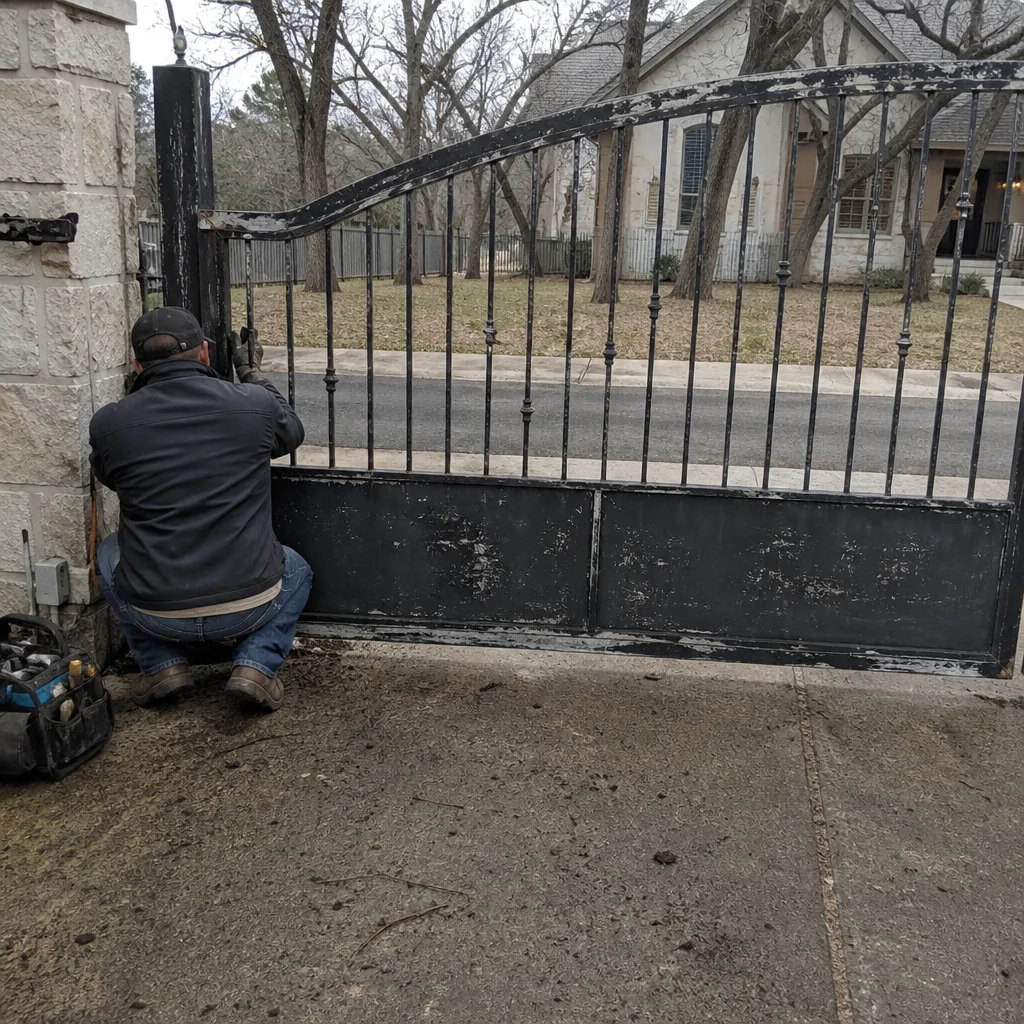 Before
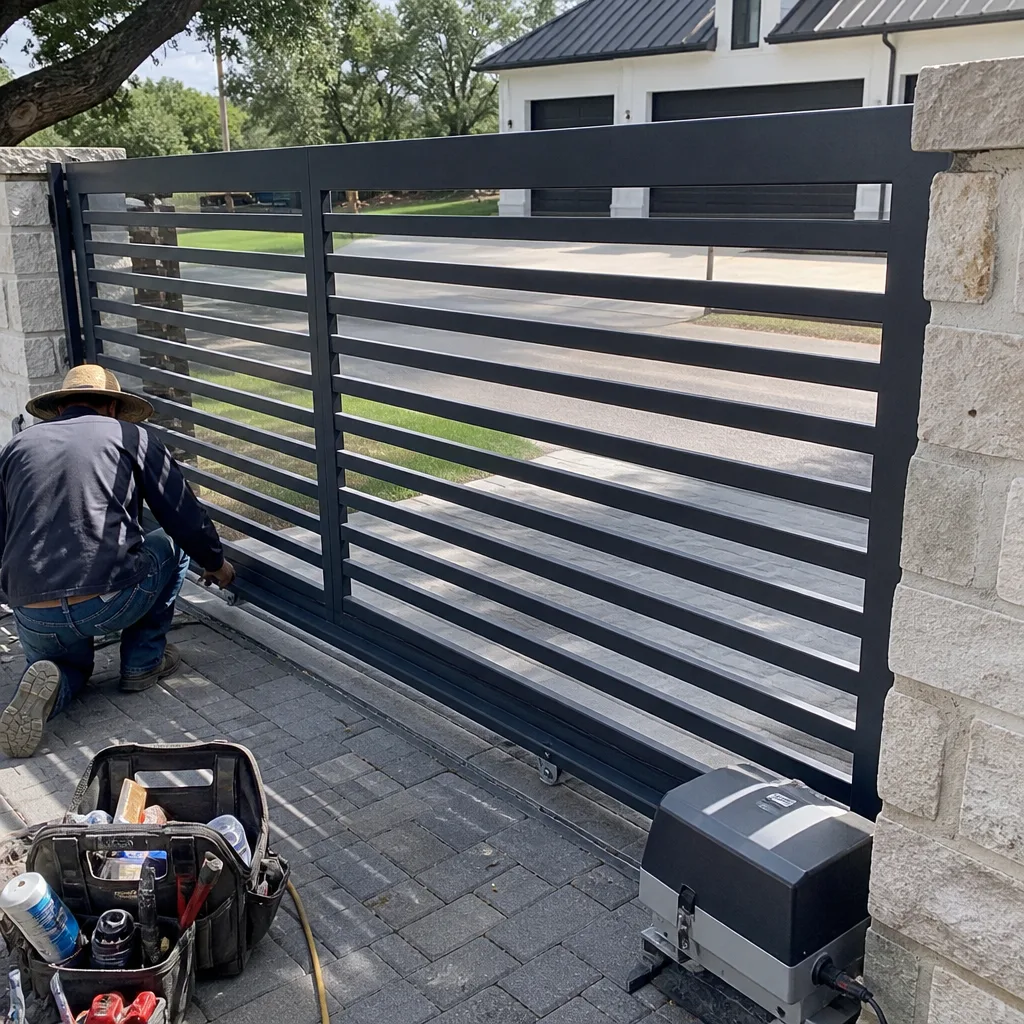 After
After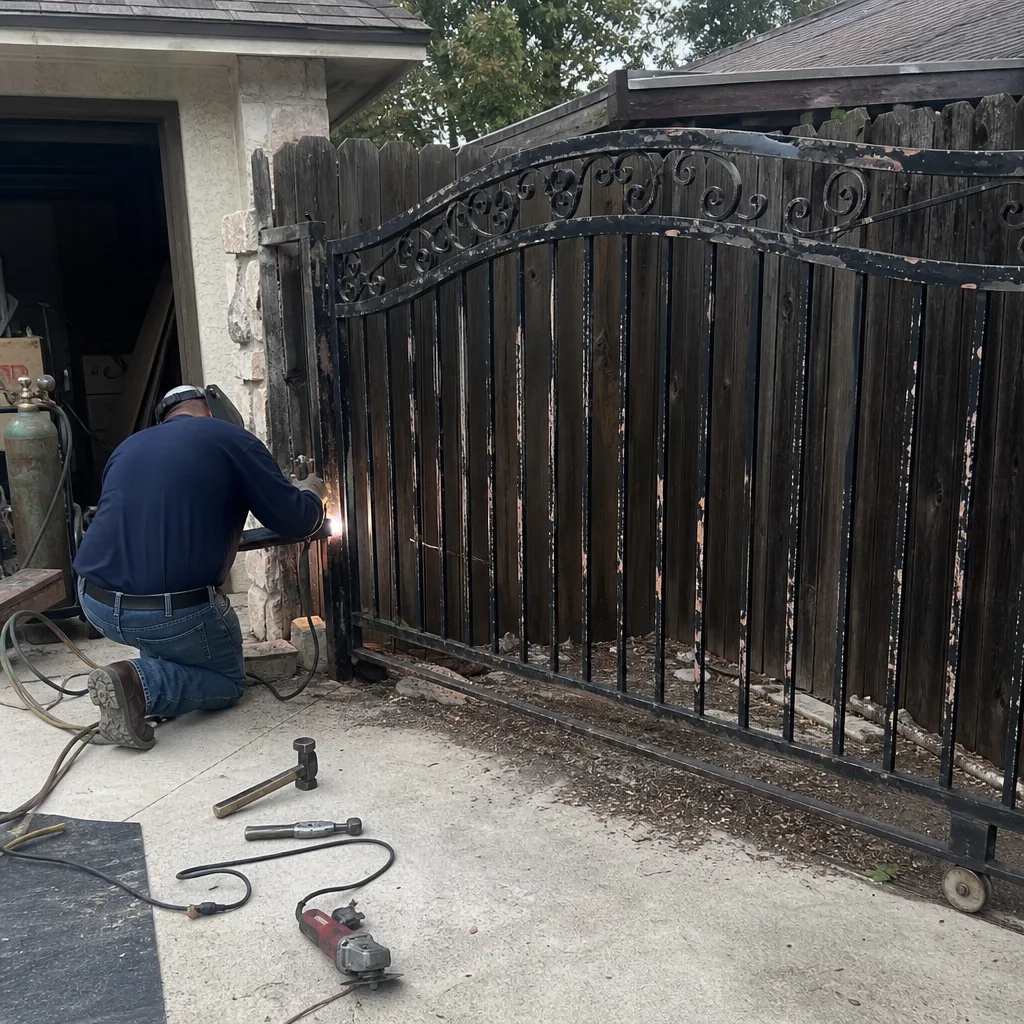 Before
 After
After Before
 After
AfterWhen to Call a Professional
Call a professional when the work touches electricity, changes the gate’s structure, or involves an automatic operator that you didn’t install yourself. A licensed electrician should make the power connection. A gate specialist should handle the operator, the safety devices, and the swing adjustments. And if you’re inside San Antonio city limits, a professional who knows the local code path can save you the three-week closing delay that hit that Alamo Heights seller.
Latch and Post Gate Repair San Antonio offers free estimates throughout the city, including Alamo Heights, Stone Oak, Terrell Hills, and Castle Hills. We provide a written price before any work starts, and we have electricians in the San Antonio area who handle the panel side of every automatic gate project. Cody Beckman and our team can walk you through the permit path for your specific property. Call (325) 252-5195 for a free estimate.
Frequently Asked Questions
For simple mechanical repairs like latch, hinge, or picket replacement on an existing manual gate, no permit is required in San Antonio. But installing a new electric gate operator or changing the gate’s swing or height does require a city permit. Call (325) 252-5195 and we can tell you which category your repair falls into.
No, replacing an electric gate operator in San Antonio requires a permit because the operator connects to your home’s electrical system. The power connection should be done under a licensed electrician’s oversight, and the city requires an inspection of the completed work. An unpermitted operator is exactly what flagged the home sale in our Alamo Heights example.
A residential electrical permit for a gate operator power run typically costs between $75 and $150 in San Antonio, while a fence or gate permit for a new installation runs $100 to $250. HOA application fees, where they apply, add $25 to $150 depending on your community.
The full process from permit application to final inspection in San Antonio typically runs about two weeks for a residential automatic gate. Plan review takes three to five business days, and inspections are scheduled in half-day windows through the city’s online system.
Yes, in many San Antonio HOAs including Stone Oak, Terrell Hills, and Alamo Heights, architectural review applies to visible gate changes even when the city does not require a permit. Finish color, material, and height changes are the common triggers. Check your HOA’s covenants before you change anything visible.
Yes, Latch and Post Gate Repair San Antonio can pull the permit on eligible work, coordinate with a licensed electrician for the power connection, and be on site for the city inspection. We’ll confirm the exact responsibilities in writing before any work starts. Call (325) 252-5195 to walk through your project and get a written price.
The Bottom Line
The permit question on a San Antonio gate comes down to one test: does the work change what the gate is or how it operates? A latch replacement doesn’t change anything structural, so it’s exempt. An automatic operator changes the gate’s relationship to your electrical panel, so it’s permitted. A new gate changes the property’s site features, so it’s reviewed. The city’s fees for this review are small; the cost of skipping it, as that Alamo Heights seller found, can be a three-week closing delay and a $1,300 emergency fix. The smart sequence in San Antonio is simple: confirm your jurisdiction, check your HOA, put permit responsibility in writing, and make sure a licensed electrician handles the power. Get that part right and the rest is just gate work. For more guides & resources, explore our blog.
Written by Cody Beckman, Owner at Latch and Post Gate Repair San Antonio, serving San Antonio since 2009.