
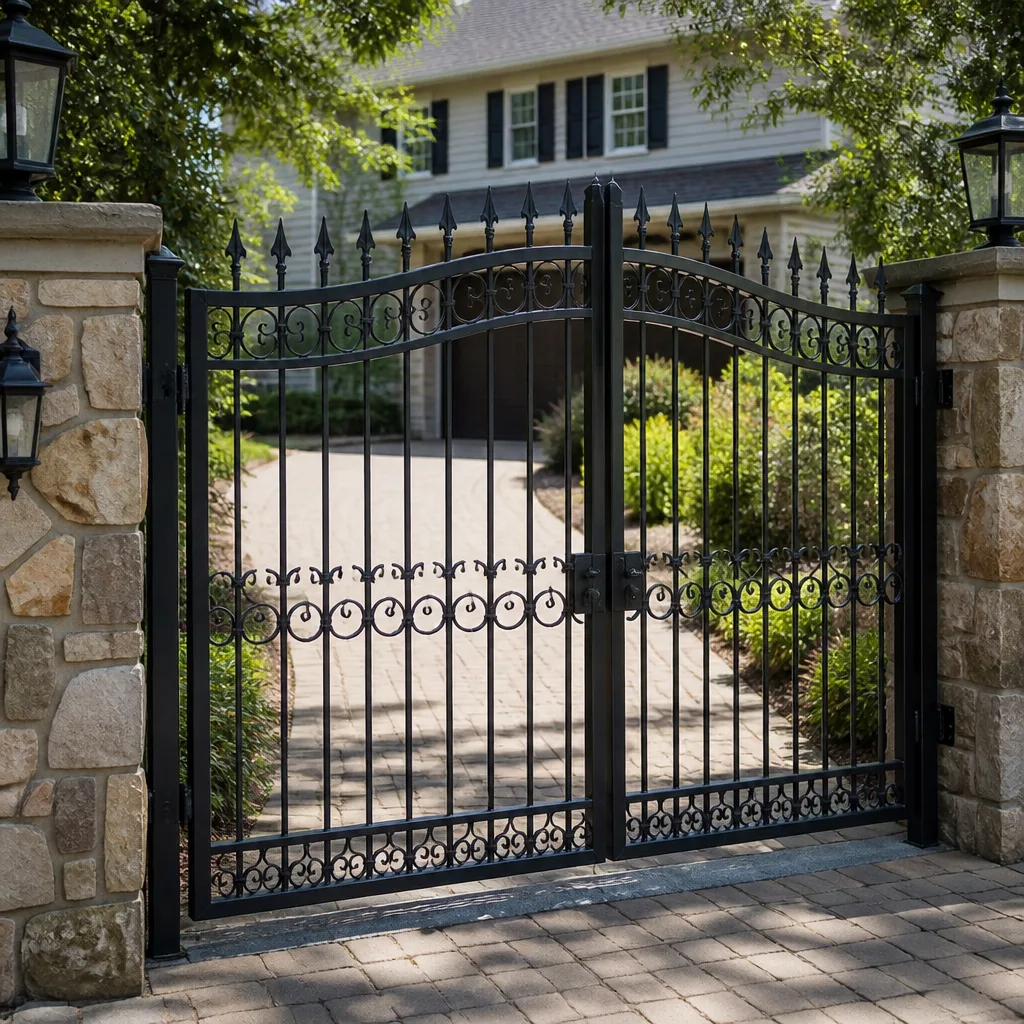
 Wrought iron
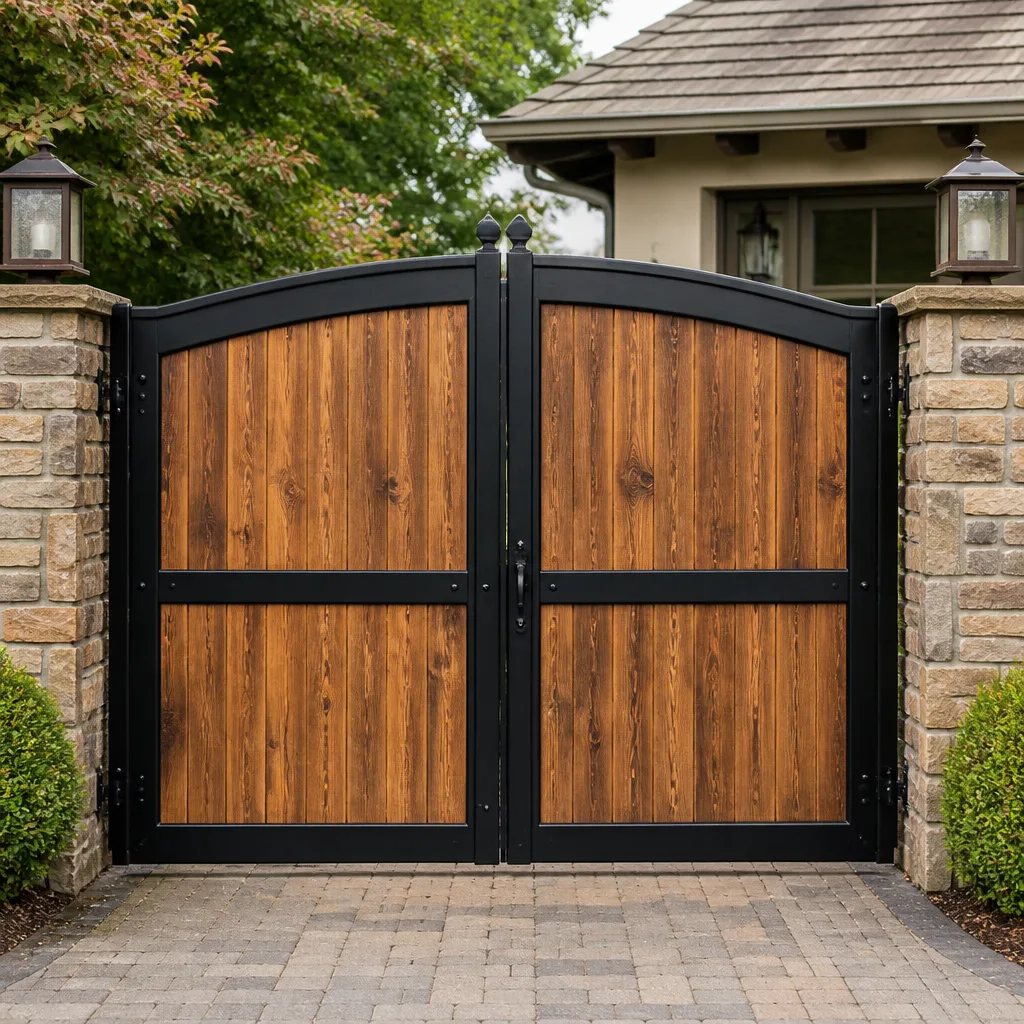 Wood & steel frame
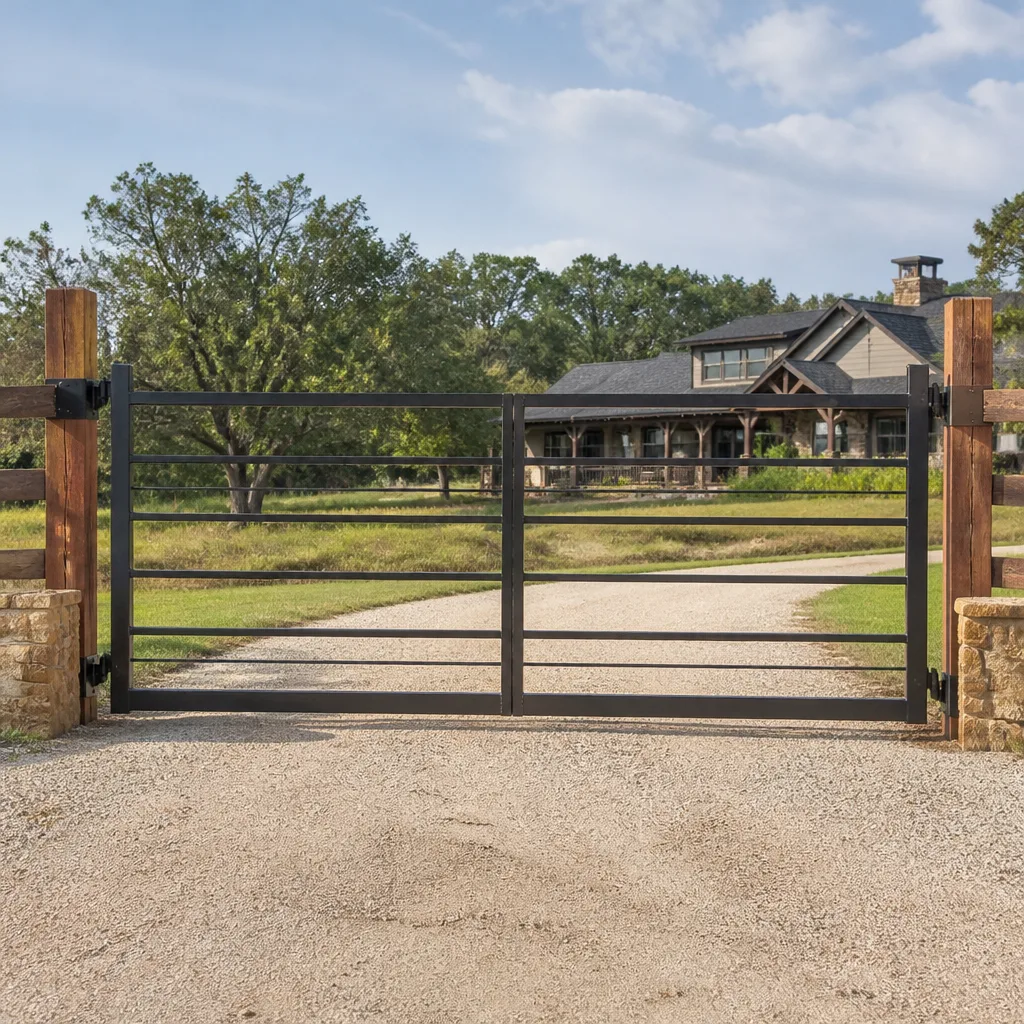 Farm & ranch
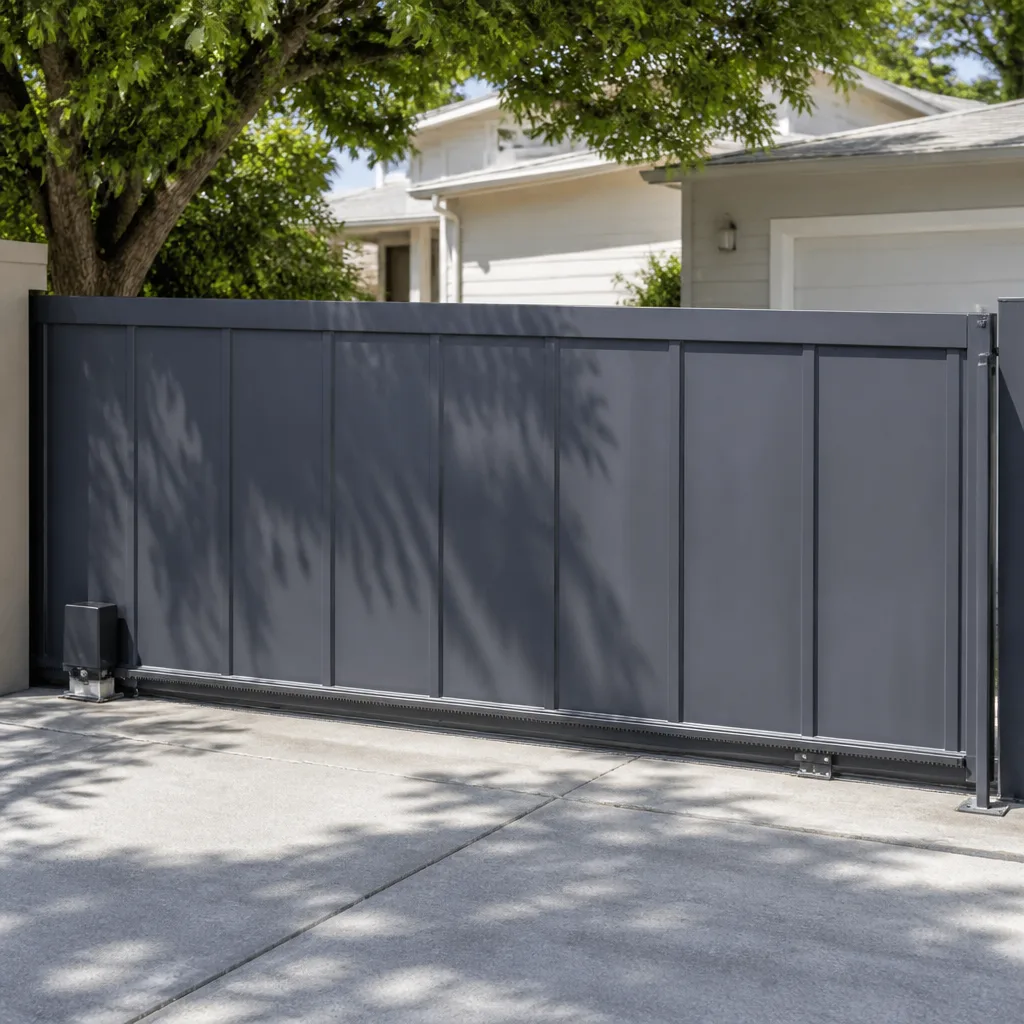 Sliding driveway gates
 LiftMaster operators
Free on-site gate assessment - hinges, posts, and your LiftMaster or Nice gate operator checked before anything is quoted
The assessment is free and the quote is the invoice.
Get your free estimateFAAC Hinge & Roller Replacement: The San Antonio Owner’s Guide
We stock and install FAAC-compatible hinge and roller replacements across San Antonio, and most swaps run between $180 and $390 installed, with the exact number in writing before we touch a thing. If your gate is sagging, dragging, or groaning like an old screen door, the hinge or roller is usually the culprit – and we can typically get it replaced the same day we diagnose it.
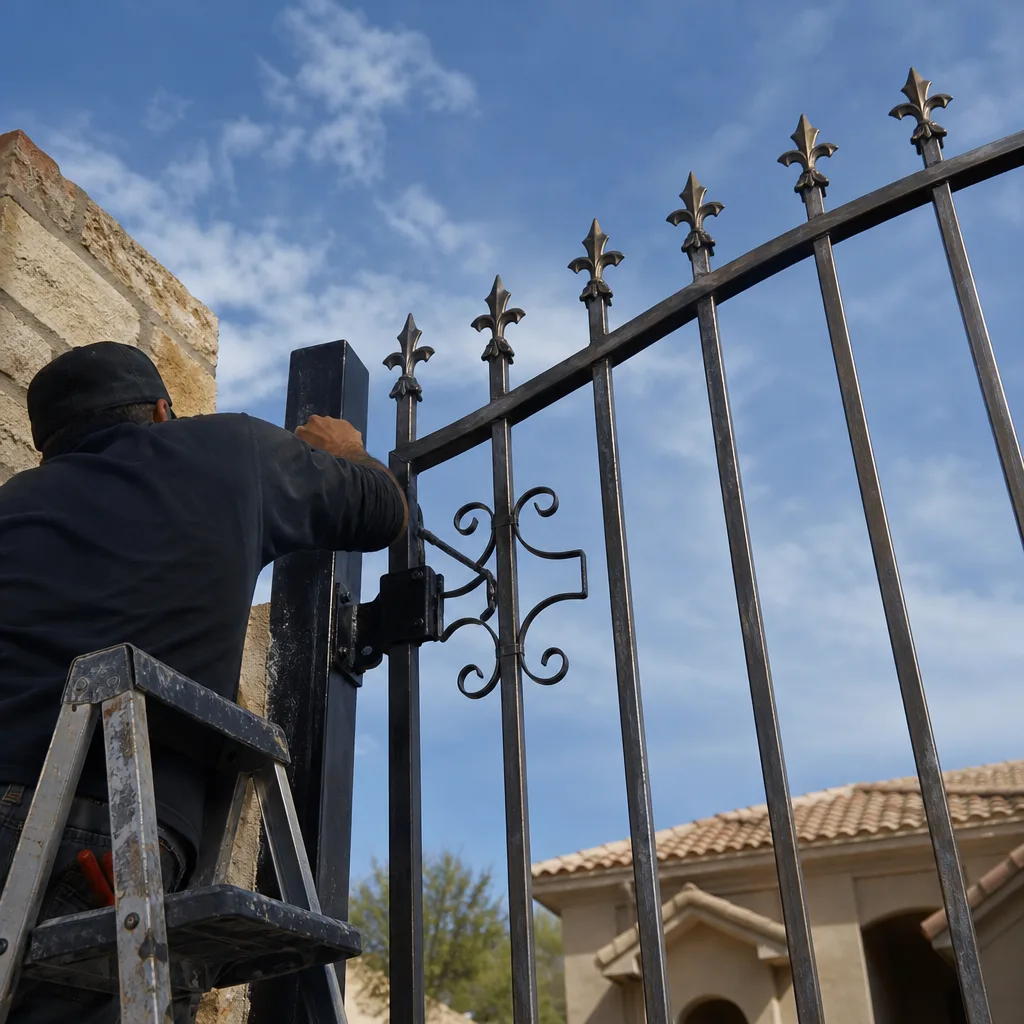
What owners usually notice first is a gate that used to swing clean and quiet, then slowly started to lean, scrape, or catch. Maybe it’s binding at one corner, maybe it shudders halfway through its arc, maybe the opener is working harder and the gate still doesn’t close all the way. The hinge or roller isn’t dramatic when it fails – it just gets tired. And when it does, every other part of the system works harder to compensate.
Which FAAC Models This Applies To
We replace hinges and rollers across the FAAC swing-gate lineup: the 412, 415, 400, 770, 390, and the residential S418 and S450 operators where the gate rides on a bottom roller or a hinge-post assembly. If you’re not sure which series you have, look for the model plate on the operator housing – FAAC stamps it clearly – or measure your hinge pin. Most FAAC residential hinges run a 20mm or 25mm pin, but the 400-series on heavier gates occasionally uses a 30mm. That’s the kind of detail that matters when you’re matching a replacement.
One compatibility gotcha we see in San Antonio regularly: the bottom roller on FAAC 400-series gates wears into a flat spot if the gate is even slightly out of level, and then it starts chewing up the track. Owners often buy a new roller online and find it doesn’t seat properly because the track itself is worn. For heavy-use gates, we prefer OEM FAAC hinges and rollers – the grade of steel is built for the duty cycle. For light residential use, there are solid aftermarket equivalents that save money without giving up lifespan. We’ll show you both options and let you decide.
Styles & brands we work with
Signs Your FAAC Hinge & Roller Replacement Is Failing
- The gate drags or scrapes at the latch side. This is classic bottom-roller wear. As the roller flattens, the gate loses lift at the free end and scrapes the ground or the track. Left alone, it’ll start gouging your driveway or pavers.
- The gate leans or sags visibly when open. Hinge bushings wear oval over time. Once the pin can move inside the bushing, the whole gate settles and the weight distribution shifts – which wrecks the opener’s gearbox faster than anything.
- A groan or squeal when the gate moves. That’s metal on metal, meaning the lubricant is gone and the bearing surface is grinding. Sometimes a flush and re-grease buys time; more often the wear has already started and the noise is the warning.
- The opener stumbles or shudders mid-travel. Operators don’t fail on their own – they’re brought down by the hardware they’re driving. A rough spot in the roller track makes the motor torque up, and the control board reads it as an obstruction. New hinges and rollers often fix what looks like an opener problem.
- Sagging worsens after heavy rain. San Antonio soil – especially in areas like Stone Oak and the limestone pockets north of 1604 – shifts with moisture. A gate that’s already hinge-worn will sit differently after a downpour because the post settles just a fraction. It’s not your foundation; it’s the hinge bearing taking the movement.
See the difference
 Before
 After
After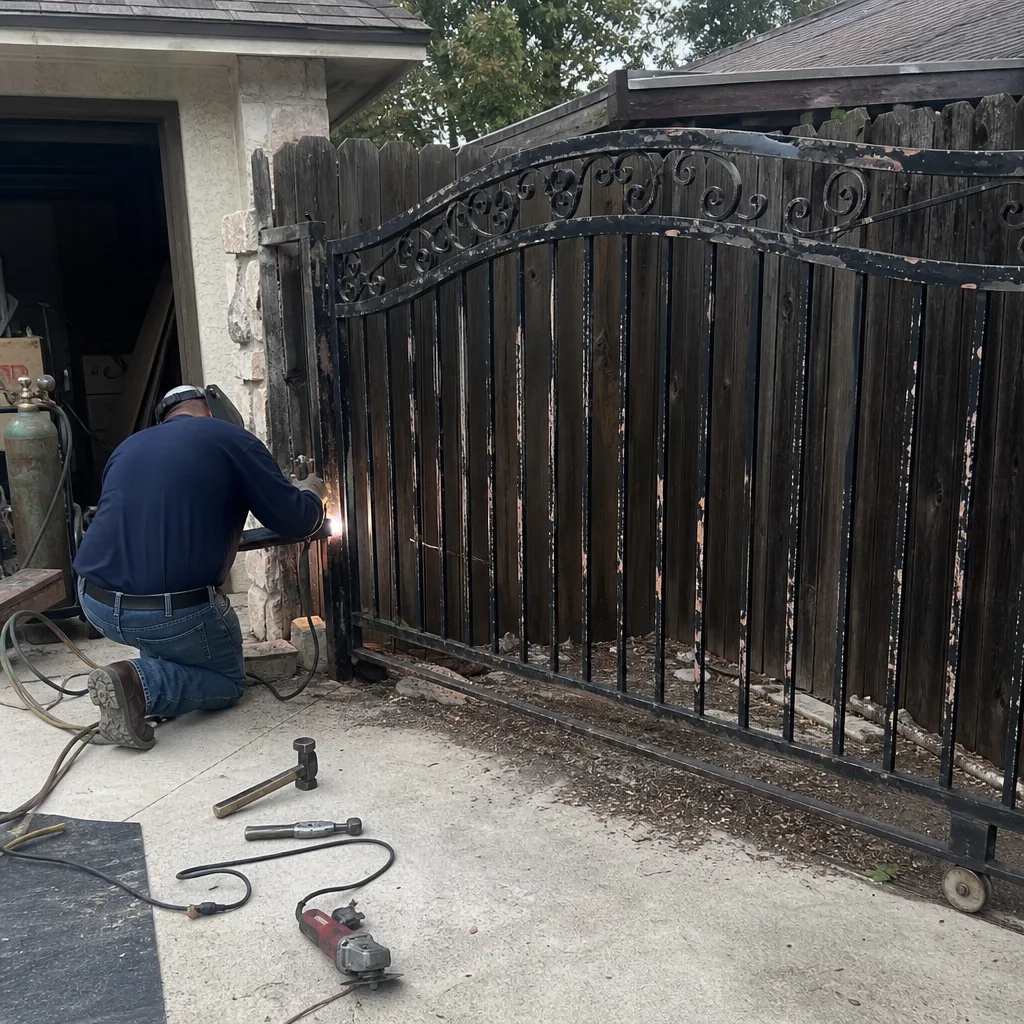 Before
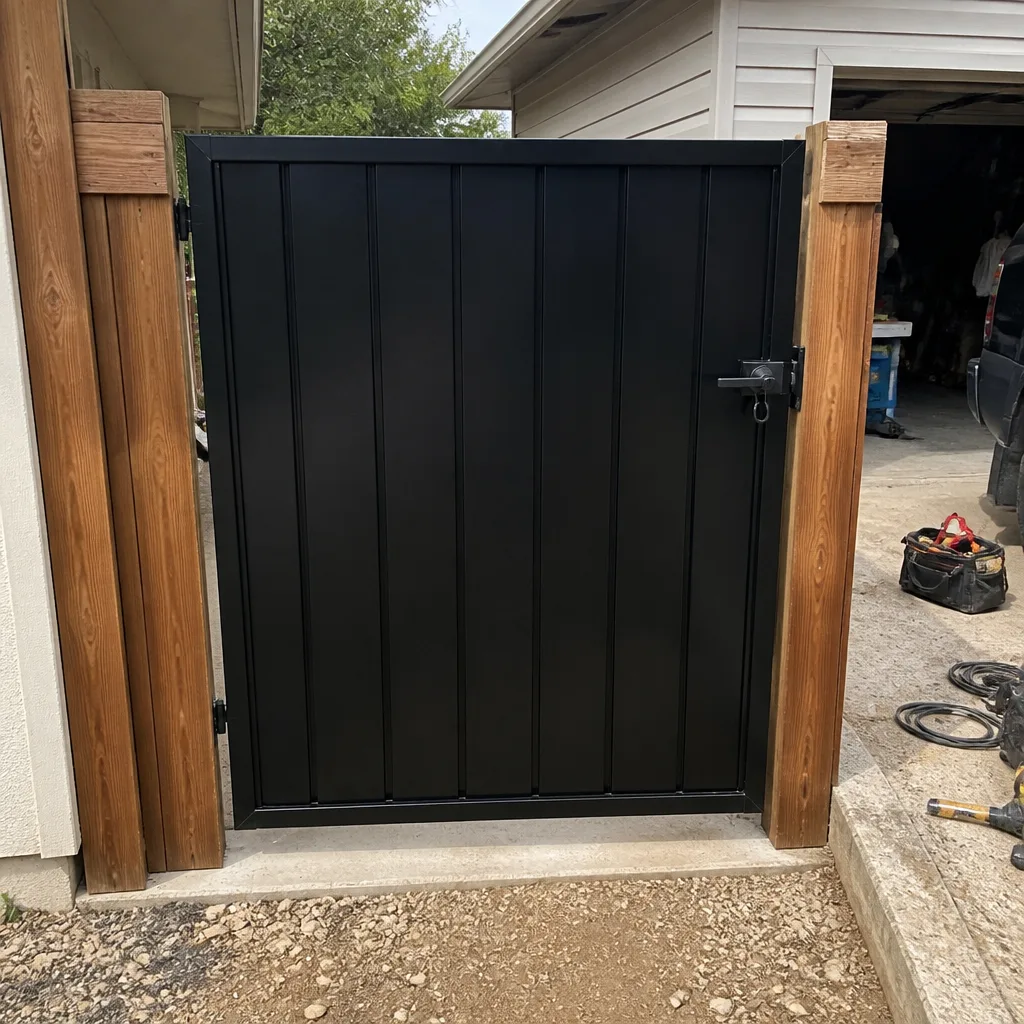 After
After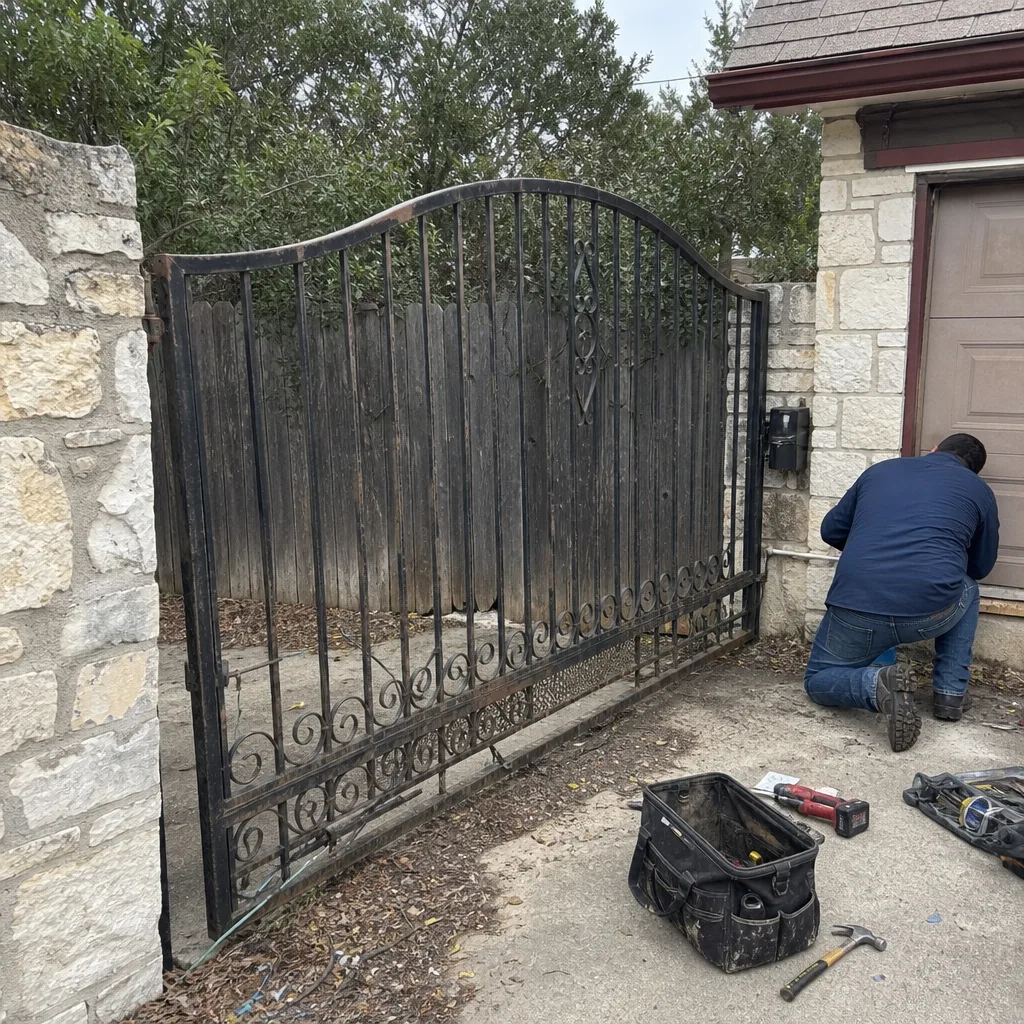 Before
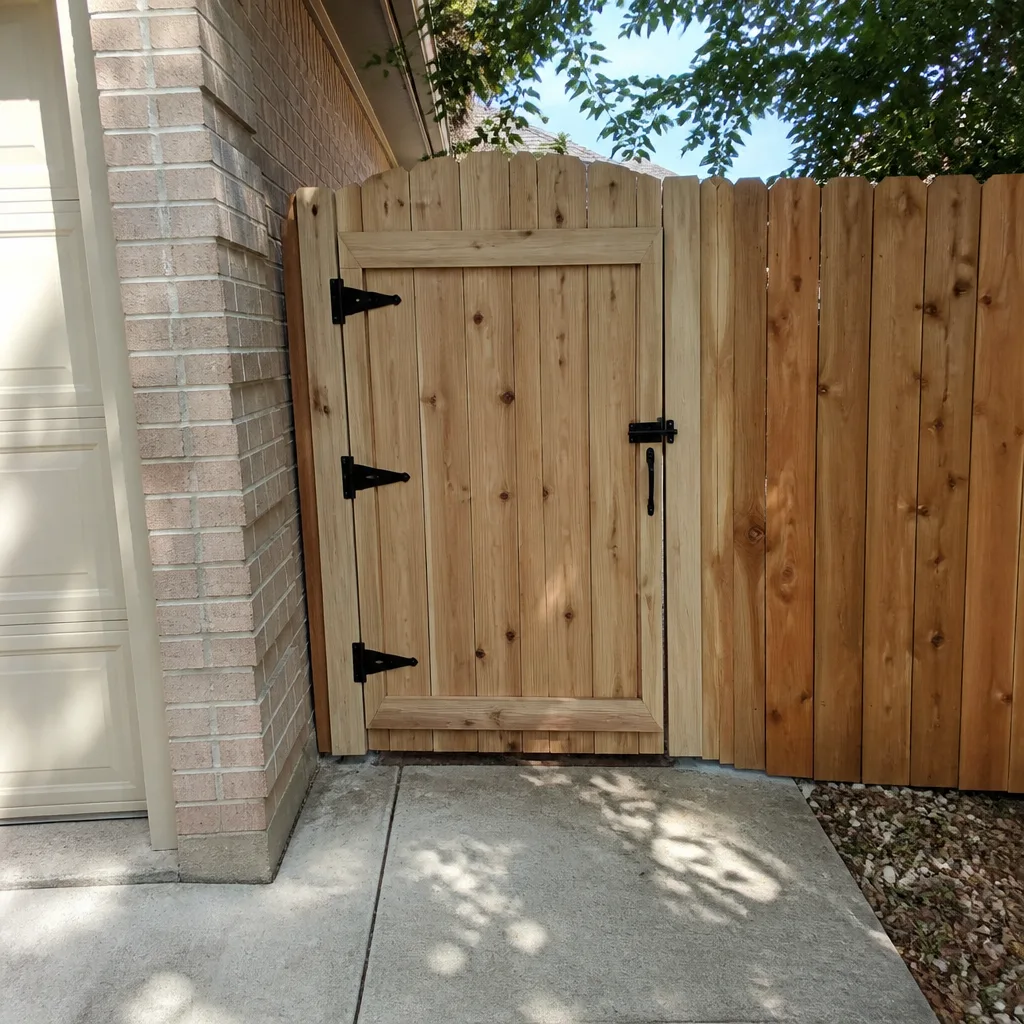 After
AfterReplacement Cost & What’s Included
In San Antonio, a straightforward FAAC hinge and roller replacement runs $180 to $390 installed. The low end is a single bottom roller on a light residential gate; the high end is both hinge sets plus a roller and track adjustment on a heavier dual-leaf system. Most jobs land somewhere in the middle.
Every quote from us includes the parts, the labor, and the adjustment to get the gate swinging straight again – because a new roller on an unleveled gate is just a future repeat visit. You get the exact number in writing before we start, and the 365-Day Done Right Promise covers the work for a full year. If the gate drifts out of level after we’ve replaced the hardware, we come back and make it right. No charge, no fine print.
DIY or Call Us?
You can safely inspect the wear yourself: look at the roller for a flat spot, wiggle the gate and watch the hinge pin for movement, and run your hand along the bottom rail to feel for dragging. That tells you the part is failing. Replacing it is a different job.
FAAC swing gates are heavy – even a 12-foot residential leaf can exceed 300 pounds. When you unbolt a hinge on a gate under load, the weight has to go somewhere, and it usually goes somewhere you don’t want it. We’ve seen bent posts, torn hinge welds, and fingers pinched worse than anyone intended. We bring the right jack stands, the right pin sizes, and we level the gate before we tighten anything down. If you’d rather watch and ask questions while we work, that’s fine too – call (325) 252-5195 and we’ll walk you through what we’re seeing.
FAQs
On a properly leveled gate, a FAAC hinge set typically lasts 7 to 12 years in San Antonio’s climate, and a bottom roller lasts 4 to 8 years depending on traffic. Gates on limestone-heavy soil that shifts seasonally tend to wear hinges faster, because the post moves just enough to load the bearing unevenly. If you’re replacing a roller more often than every four years, the gate needs a leveling adjustment, not just a new part. Call us for a free assessment.
Generally no. Once the bushing is oval or the roller is flat-spotted, the bearing surface is done. We’ve tried pressing new bushings into worn hinge bodies, and the result is always the same: six months later the play is back. The one exception is a noisy roller that’s simply dry – we can clean and re-grease that if the wear hasn’t started. For everything else, honest answer: replace it once, and get it right.
Most single-leaf FAAC hinge and roller replacements take 60 to 90 minutes on site. A dual-leaf gate with both hinge sets and rollers takes two to three hours. Factor in our leveling process – jacking the gate, shimming, verifying the sweep before we torque the bolts – and the whole visit usually sits around half a day, including the written quote and the walkthrough at the end.
Yes. We carry the common FAAC 20mm and 25mm hinge pins, bottom rollers, and bushing kits on the truck, along with compatible parts for LiftMaster, Mighty Mule, and Ghost Controls systems. If you’ve got a less common FAAC model, we can typically source the OEM part within one to two business days. Call (325) 252-5195 with your model number and we’ll tell you what’s available before we schedule anything.
Written by Cody Beckman, Owner, Latch and Post Gate Repair San Antonio at Latch and Post Gate Repair San Antonio, serving San Antonio and nearby areas.