
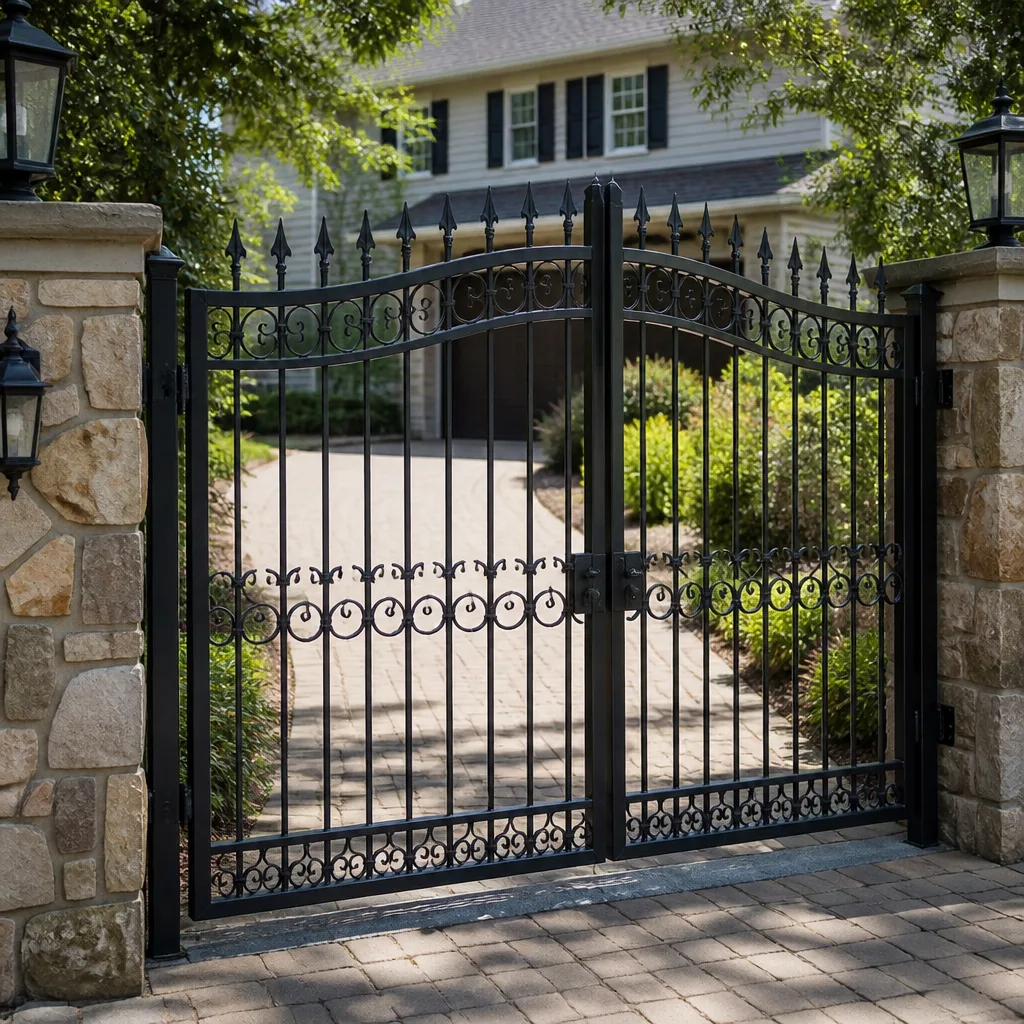
 Wrought iron
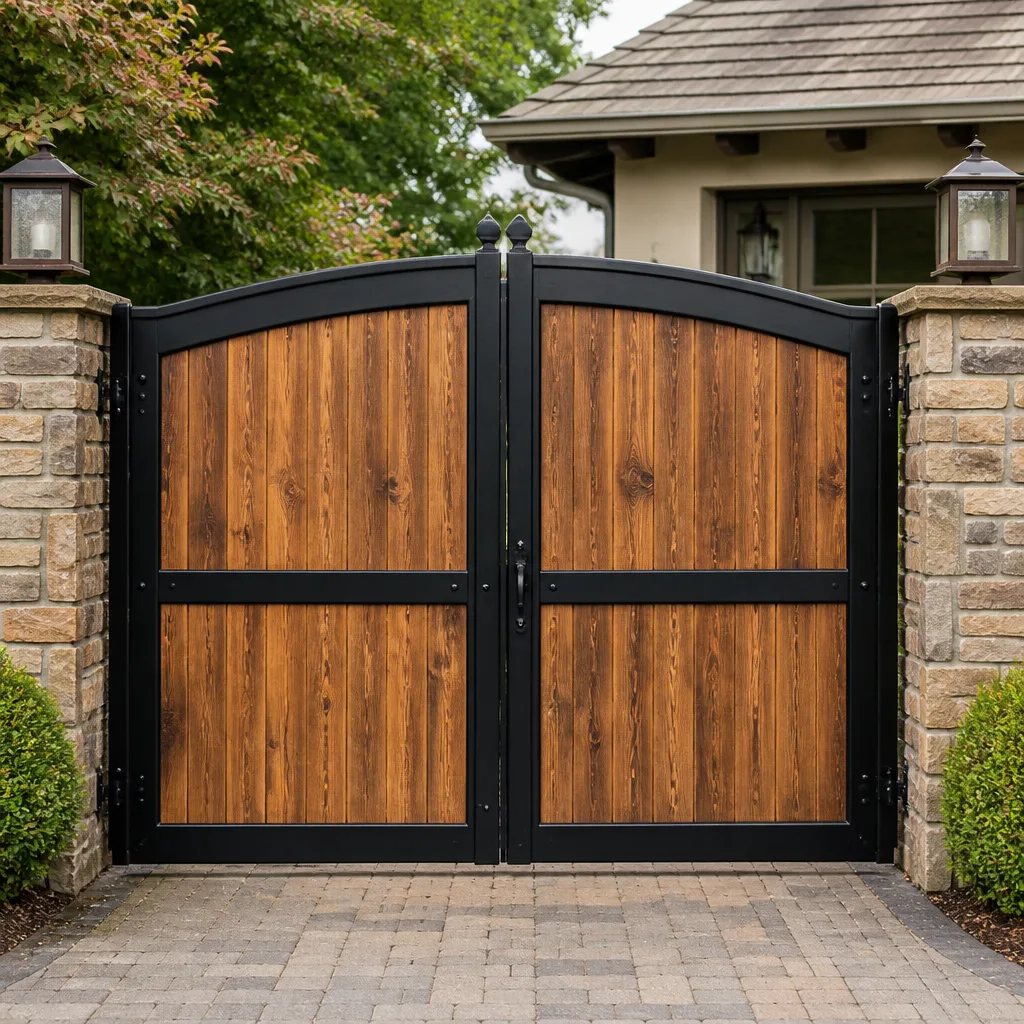 Wood & steel frame
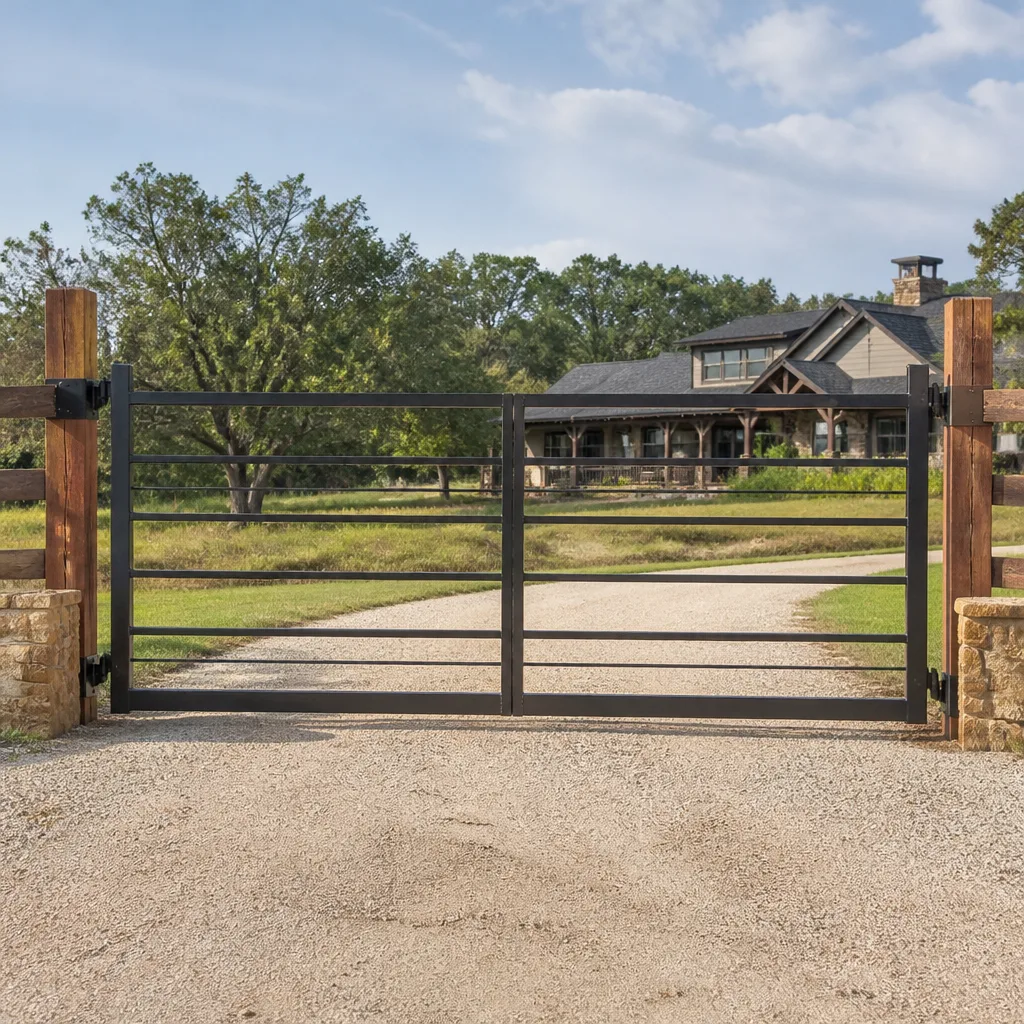 Farm & ranch
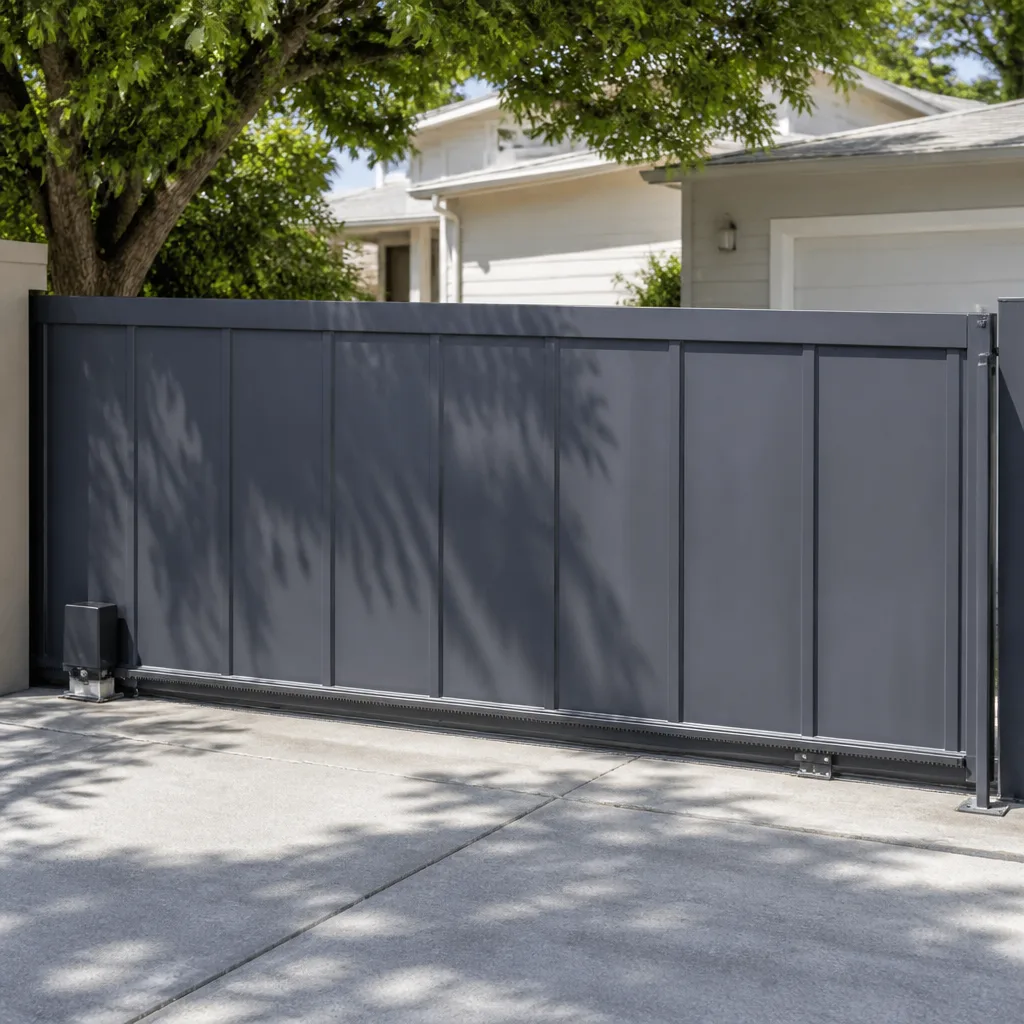 Sliding driveway gates
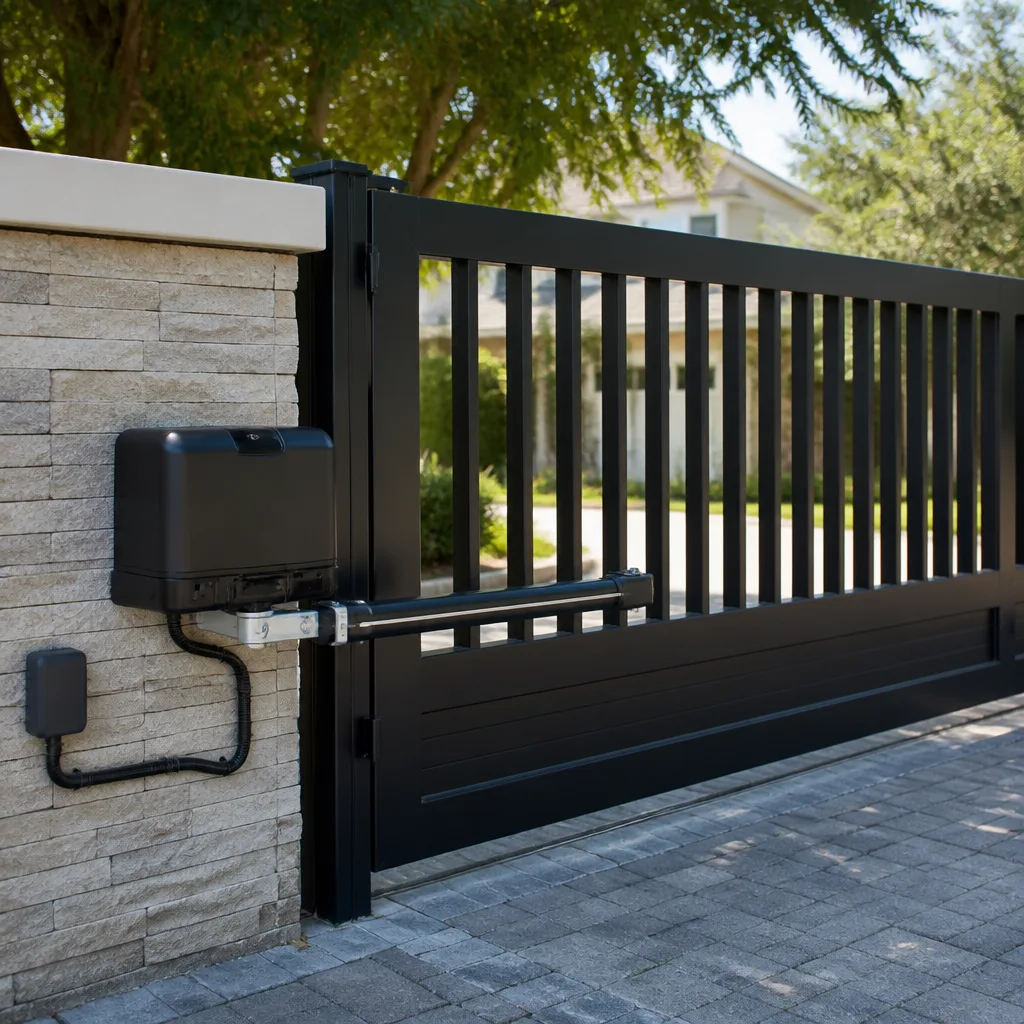 LiftMaster operators
Free on-site gate assessment - hinges, posts, and your LiftMaster or Nice gate operator checked before anything is quoted
The assessment is free and the quote is the invoice.
Get your free estimateFAAC Access Control Installation: The San Antonio Owner’s Guide
FAAC access control installation in San Antonio typically runs $380 to $850 installed when we’re swapping a failed board, receiver, or keypad on an existing system, and we can usually match the exact part to your model the same day we diagnose it. The call usually starts the same way: the gate worked fine yesterday, and this morning the remote does nothing, or the keypad blinks but won’t trip the opener. You’re not looking for a lecture on gate theory. You want the right part, a straight price, and someone who won’t leave your driveway until the gate opens again.
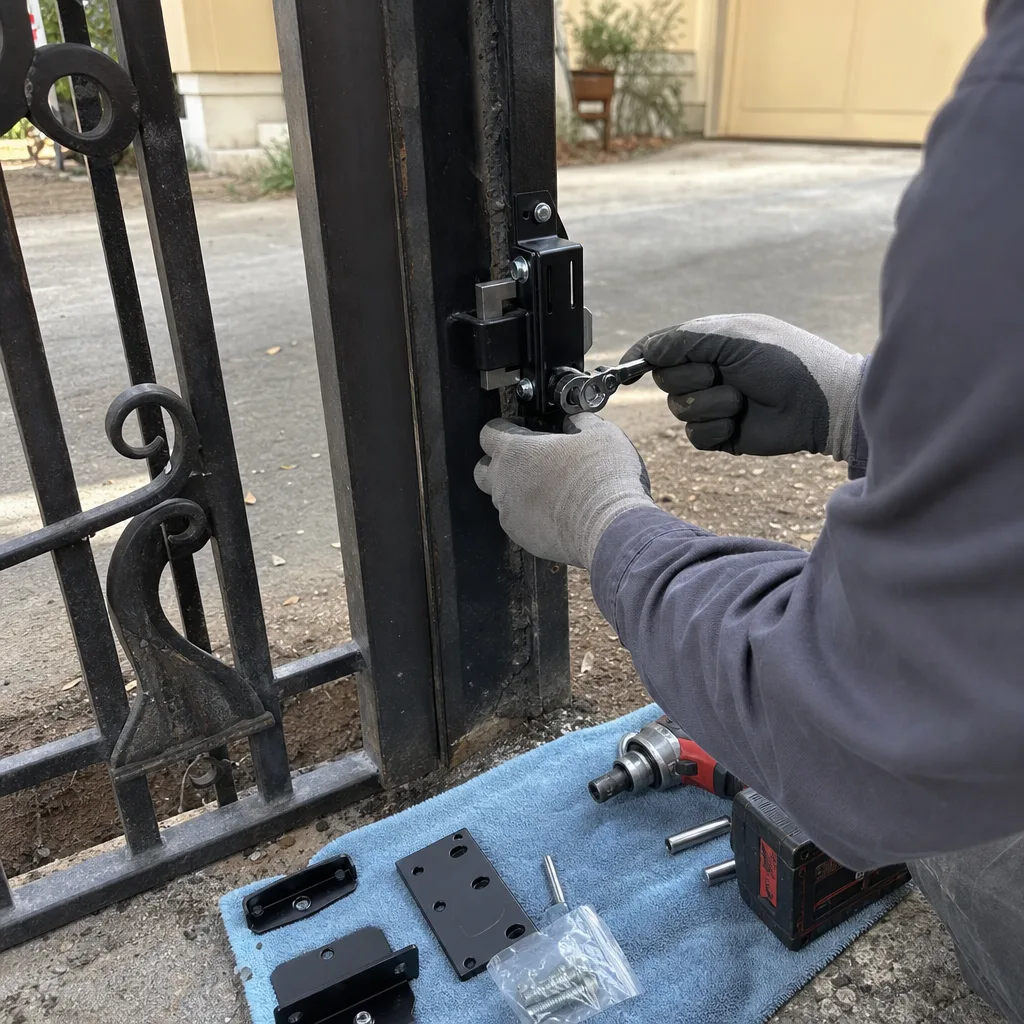
We’re an independent San Antonio gate service, not affiliated with FAAC, but we stock and install FAAC-compatible access control components for residential swing and slide gate systems across the metro. If your panel, receiver, or keypad has failed, the odds are good we have the replacement on the truck or can source it before the end of the week. And if you’re not sure which part failed, that’s what the service call is for. We’ll figure it out and tell you the number before we install anything.
Which FAAC Models This Applies To
We work on the FAAC systems most common in San Antonio residential installs: the 391, 400, 412, 422, and 750 series operators, plus the E024U and E145 control boards that run them. The access control side of a FAAC system typically includes the control board, the radio receiver (often a FAAC 433 MHz or 868 MHz unit depending on the model year), the keypad or reader at the driveway, and the exit loop or wand sensor. Which part you need depends on where the signal chain is breaking.
The compatibility gotcha we see most often in San Antonio has to do with receiver frequency. Older FAAC systems run on 390 MHz or 433 MHz fixed-frequency receivers, while newer FAAC units moved to 868 MHz with rolling-code security. You cannot pair a 433 MHz remote with an 868 MHz receiver, no matter how many times you press the learn button. If someone added a universal remote or swapped a receiver from another brand over the years, that mismatch is often the real problem. Before buying any access control part, we check the label on the receiver or board for the frequency, because that number determines which replacement works. When it comes to OEM FAAC boards versus quality aftermarket equivalents, we tell it straight: FAAC OEM boards are what we recommend when the operator itself is in good shape and you want the exact factory behavior. A good aftermarket receiver or external radio kit can extend the life of an older operator for less money. We’ll show you both options with numbers, and you pick.
Styles & brands we work with
Signs Your FAAC Access Control Installation Is Failing
- The remote does nothing, but the gate opens fine from the keypad or manual button. This usually points to the radio receiver or remote programming, not the control board. If multiple remotes fail at once, the receiver is the prime suspect. If just one remote died, the remote battery or its programming is the first thing we check.
- The keypad lights up and beeps, but the gate never moves. The keypad is sending a request and the system is not acting on it. That often means the control board’s input circuit has failed, or the keypad’s relay output is shot. We test the keypad’s output directly at the board to isolate it.
- The gate opens on its own, or cycles open and closed without anyone touching anything. In San Antonio’s summer heat cycles, we see FAAC board relays get sticky or the receiver pick up stray 433 MHz interference from nearby gate systems in subdivions. A failing loop detector or a loose wire at the board can cause the same ghost opening.
- After a storm or a power flicker, the system loses its setup. FAAC control boards hold their programming on a memory chip. When that chip or its battery backup is failing, the gate forgets its limits and remote codes after any power interruption. San Antonio’s thunderstorm season exposes this one fast.
- The gate works, but only from one side of the driveway. This usually means the exit sensor, loop detector, or keypad on the failing side has a broken wire or a dead component. It is rarely the board if one side works and the other does not.
We keep FAAC-compatible receivers, keypads, loop detectors, and the common control board components stocked on our service vehicles. When we arrive, we test the signal chain in order: remote to receiver, receiver to board, board to operator. That sequence finds the failure without changing parts that don’t need changing.
See the difference
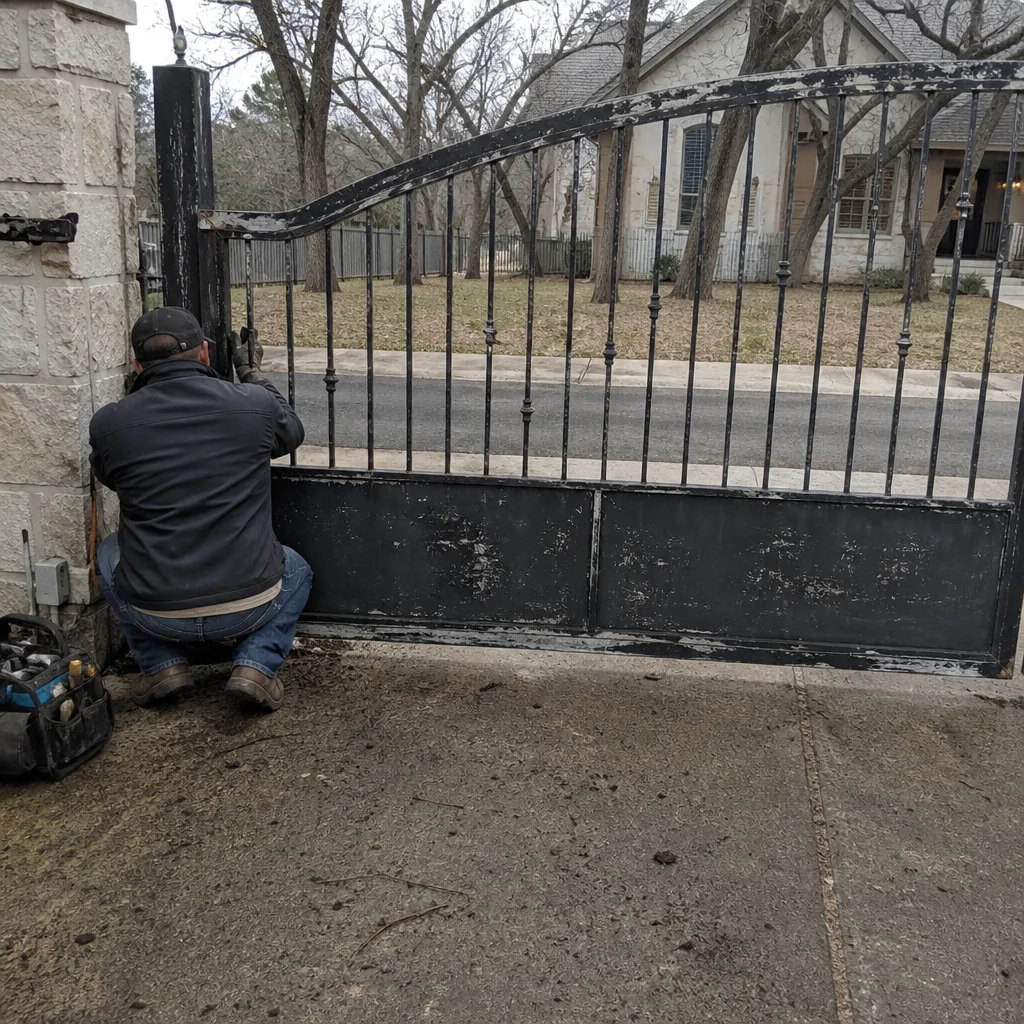 Before
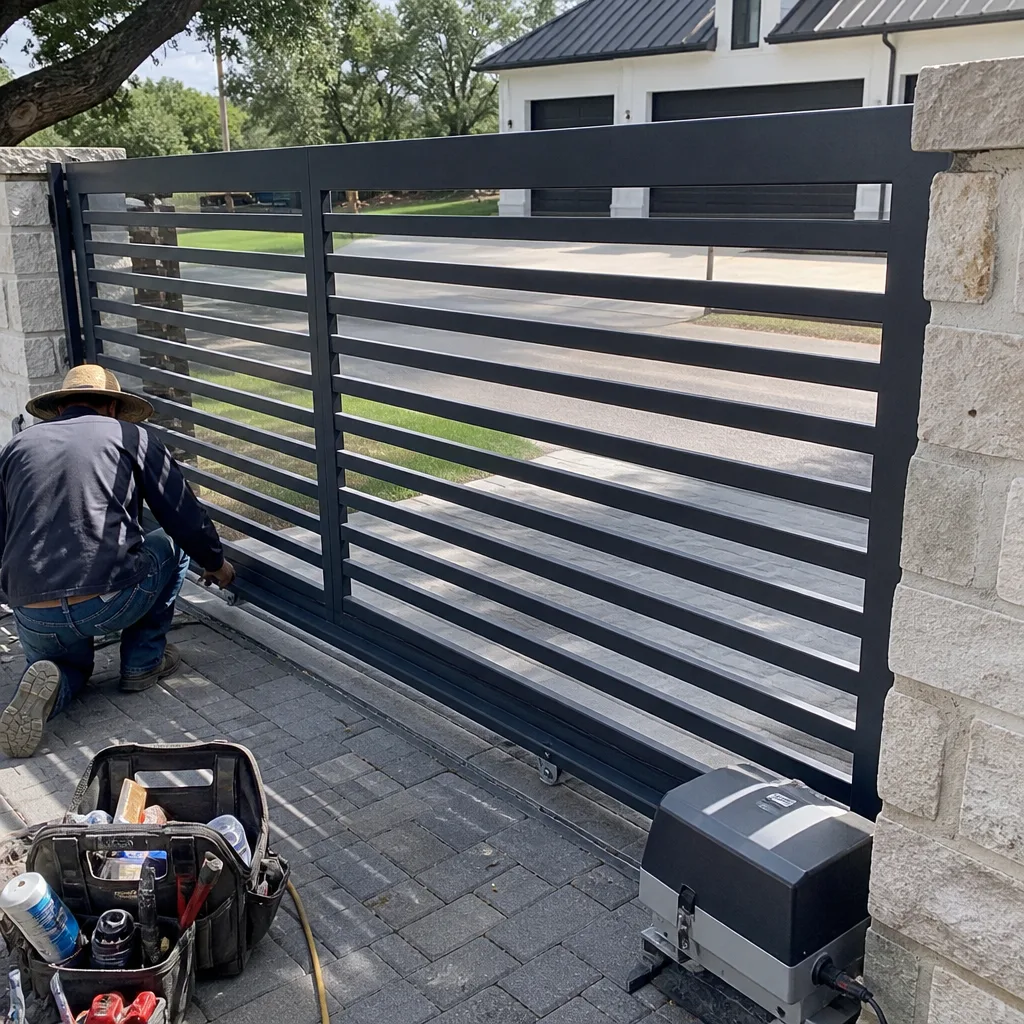 After
After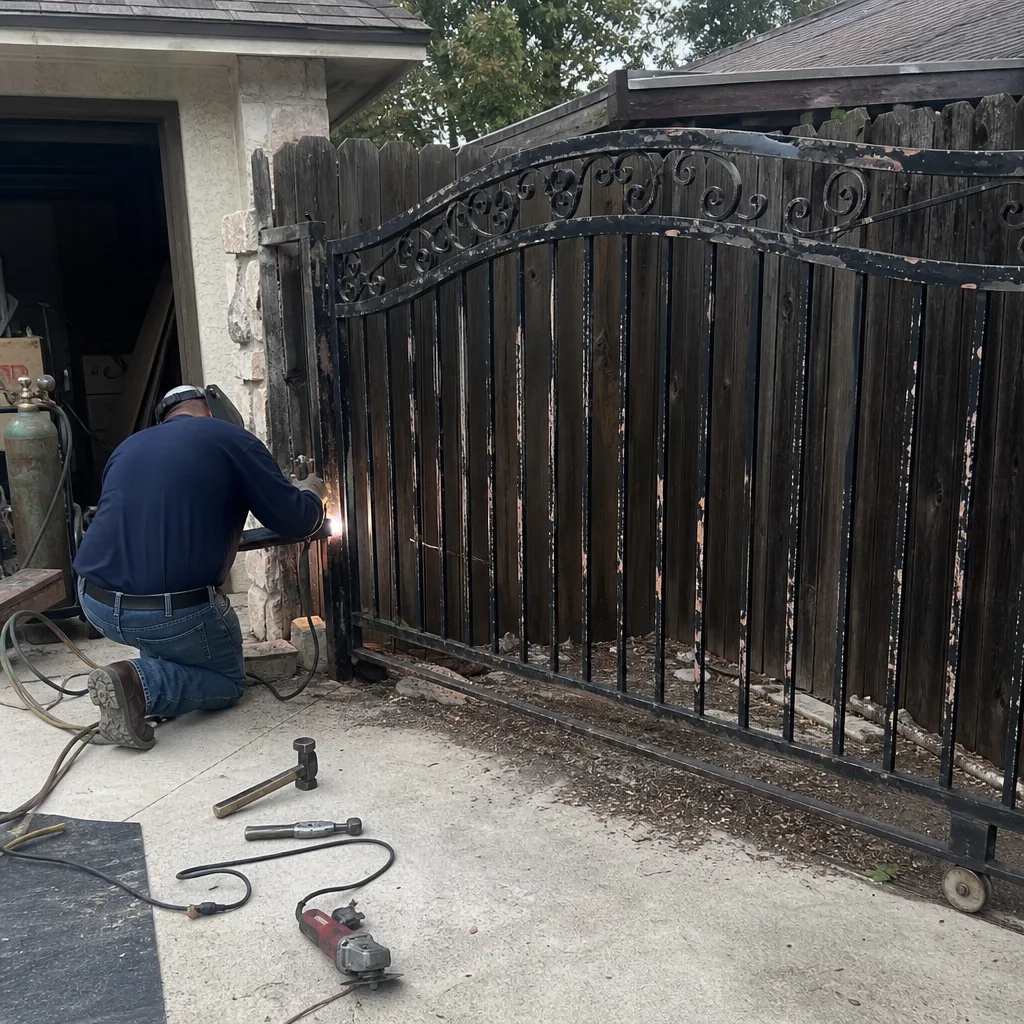 Before
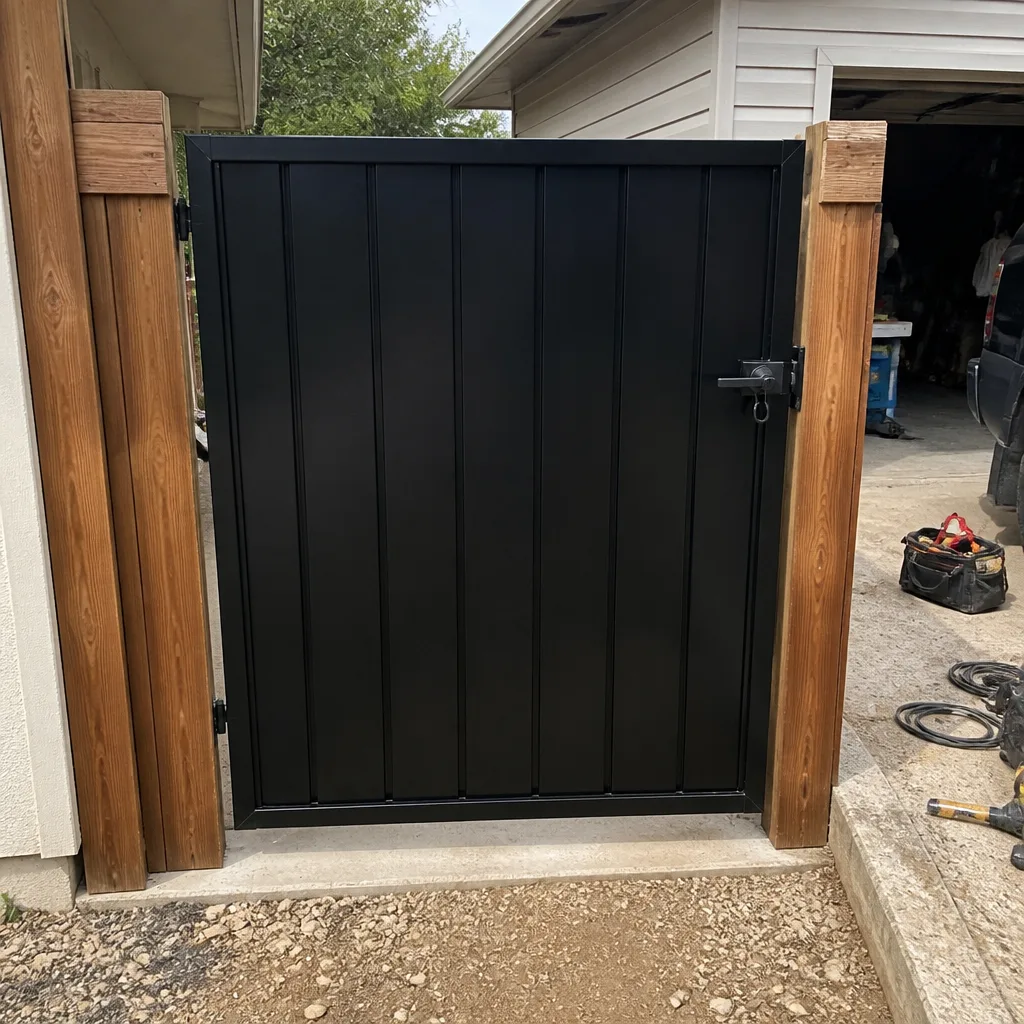 After
After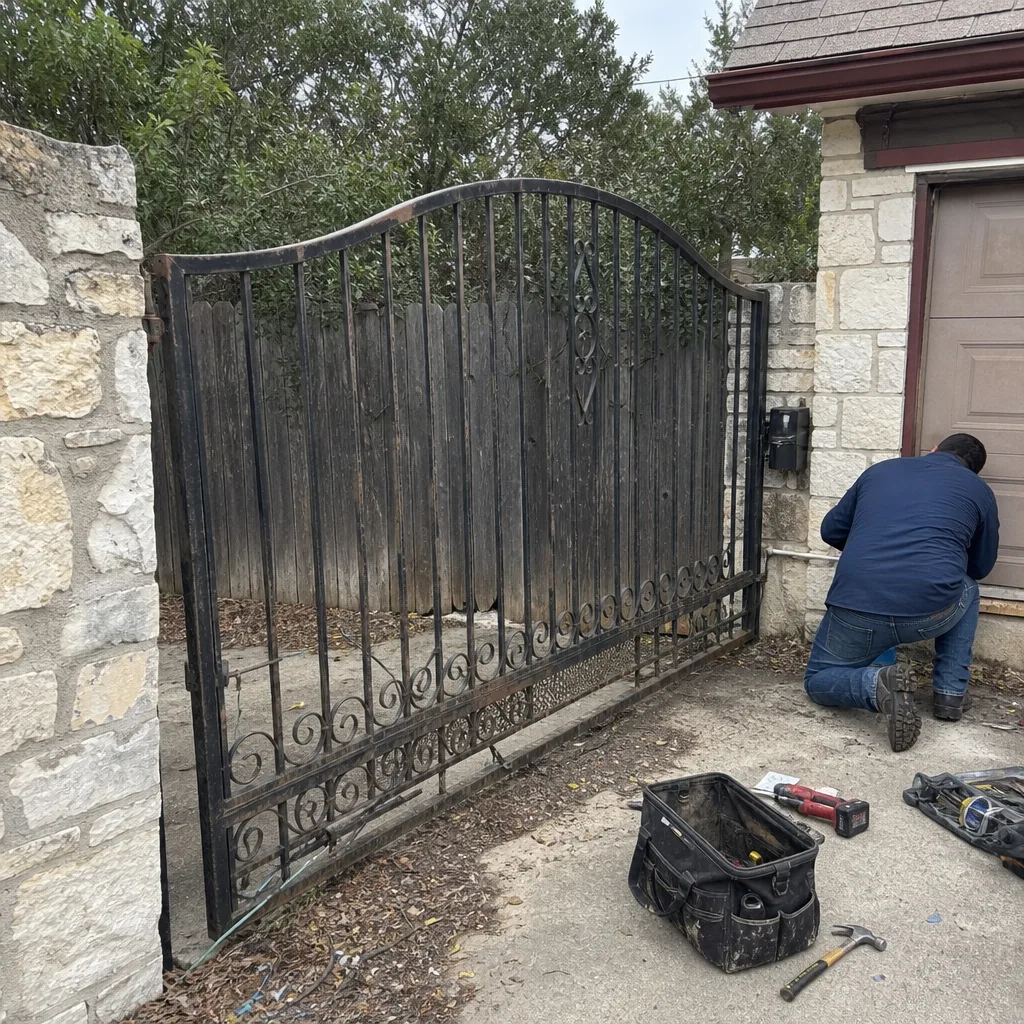 Before
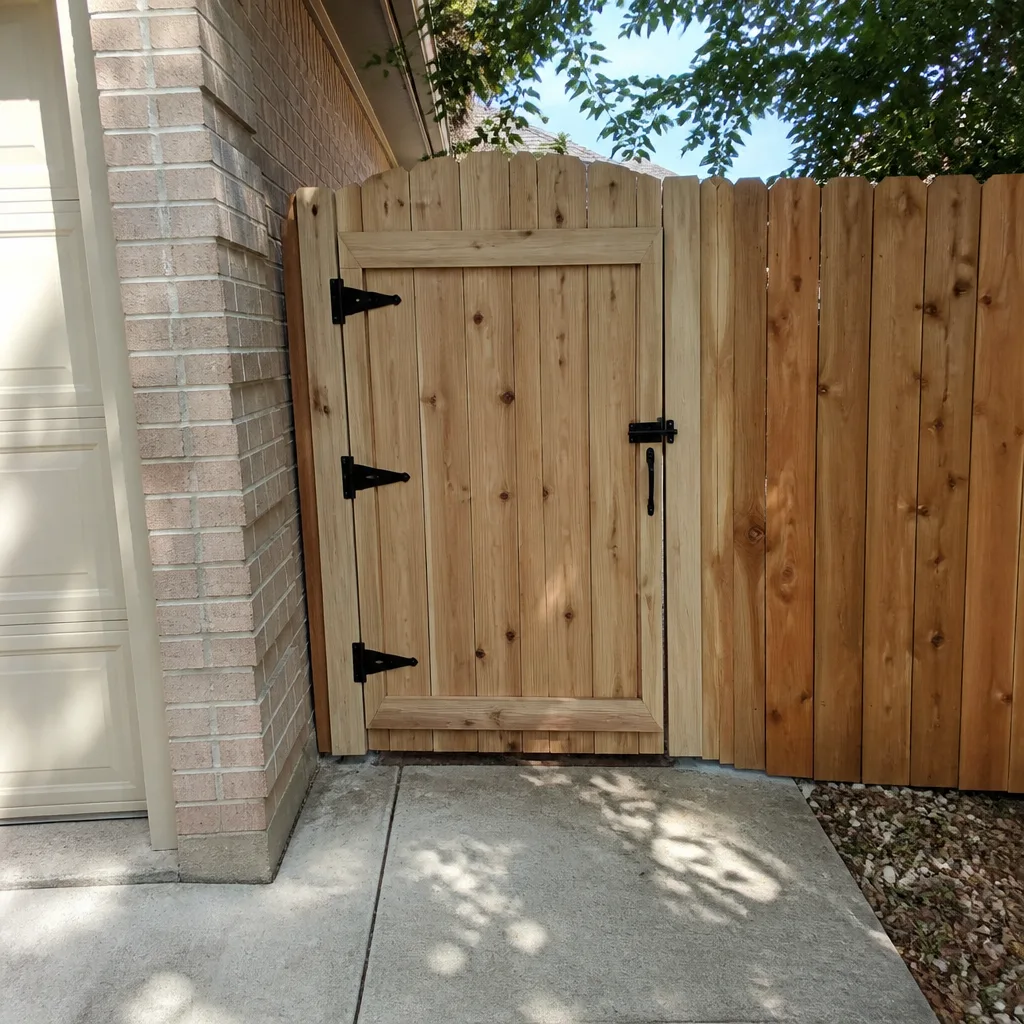 After
AfterReplacement Cost & What’s Included
Here’s what FAAC access control installation and replacement actually costs in San Antonio, based on the systems we see in this market:
- FAAC receiver replacement: $180 to $320 installed, part included
- FAAC remote cloning and reprogramming: $55 to $85 per remote, including the part
- Keypad replacement (R-panel style): $220 to $410 installed, depending on housing and wiring situation
- Loop detector or exit sensor replacement: $260 to $430 installed
- FAAC control board replacement (E024U or E145): $480 to $850 installed, depending on the exact model
- Diagnostic service call (no parts): $85 to $125, credited toward the repair if you proceed
Those are San Antonio real-world ranges. The spread comes down to which model you have, whether the existing wiring is in decent shape, and how much work it takes to get the new part talking to the rest of your gate system. Every price is written down and agreed to before we start, not after. That is the rule, carried by every person who works under the Latch and Post name.
The install itself includes the part, the labor, programming the new component to your existing remotes and keypads, testing the full open-close cycle, and cleaning up after ourselves. Shoe covers and drop cloths go down before we step inside your garage or house to reach the control panel. You get a photo of the clean-up before we leave, and the whole job is covered by our 365-Day Done Right Promise. If something isn’t right, we make it right.
DIY or Call Us?
Honest split, the way we’d tell a neighbor in San Antonio. Some FAAC access control checks are safe and quick. You can replace a remote battery, check that the keypad isn’t packed with gravel dust, and look for obvious wire damage at the keypad housing. Those are things we’ll walk you through over the phone, no charge.
Anything that involves opening the operator cabinet to reach the control board or receiver is where DIY goes wrong. These boxes carry line voltage, and a live 120V terminal next to a low-voltage board means one wrong screwdriver poke can ruin a $400 board or hurt you. Board replacements and receiver installs need a meter and the right shorting and programming sequence for FAAC’s learn mode. We’ve had more than one San Antonio homeowner call us after a YouTube-guided attempt that ended with a fried board and a gate still stuck open. The money saved wasn’t saved. If you’re not sure which end of the problem to touch, call us at (325) 252-5195. The diagnosis is straightforward, and you’ll know the price before we turn a screw.
FAQs
A FAAC control board in our climate typically lasts 8 to 12 years, and a receiver often fails in the 6 to 10 year range. The heat is what ages them: San Antonio summers push control box interior temperatures well past what electronics like, and repeated thermal cycling is what breaks solder joints and wears out capacitors. If your system is over eight years old and losing reliability, that is a normal lifespan, not a defect. Call (325) 252-5195 for an exact diagnosis and quote.
Sometimes, but not usually. We can repair simple things like a burnt relay or a failed capacitor on some FAAC boards, and we will tell you if that is viable before suggesting a replacement. For most memory chip or microprocessor failures, a repaired board is not reliable enough for daily use, and we recommend replacing it. The repair question is one we answer honestly case by case.
Most receiver or keypad replacements take 45 to 90 minutes on site. A control board replacement typically takes one to two hours, including programming remotes and testing the full cycle. We schedule a specific window and tell you what the job needs before we arrive. Call (325) 252-5195 to schedule a service visit.
We stock common FAAC-compatible receivers, keypads, loop detectors, and remote kits on our service vehicles, so most San Antonio service calls are completed the same day. Control boards for older or less common FAAC models sometimes need to be ordered, usually arriving in three to five business days. We’ll tell you at the diagnosis which situation you’re in, with the delivery timeline before any work is scheduled.
If your FAAC gate is down because an access control part gave out, we can sort it out. Call (325) 252-5195 and you’ll reach a live person, day or night. We’ll ask what the gate is doing, get you on the schedule, and have a written price in your hand before anything gets touched. Get it right once, and you won’t have to think about it again.
Written by Cody Beckman, Owner, Latch and Post Gate Repair San Antonio at Latch and Post Gate Repair San Antonio, serving San Antonio and nearby areas.