
Last updated October 17, 2026
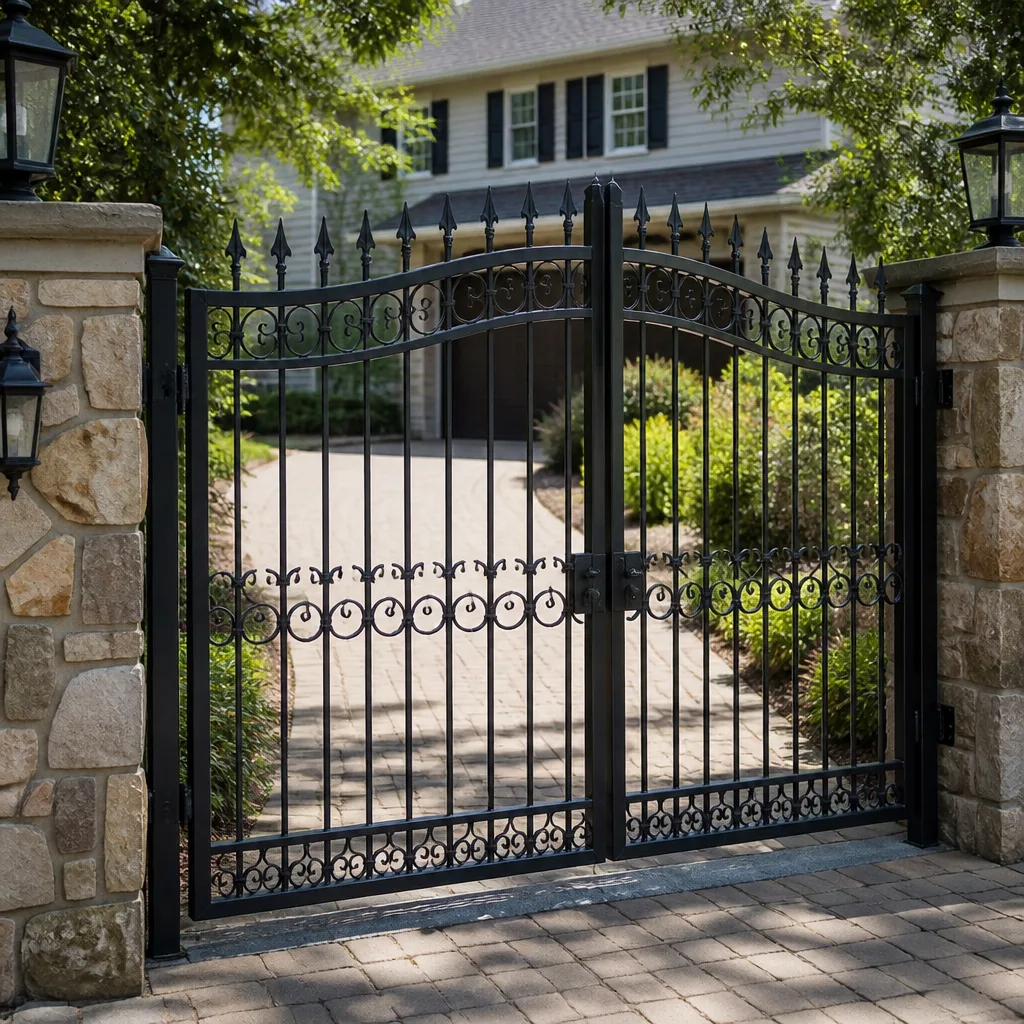 Wrought iron
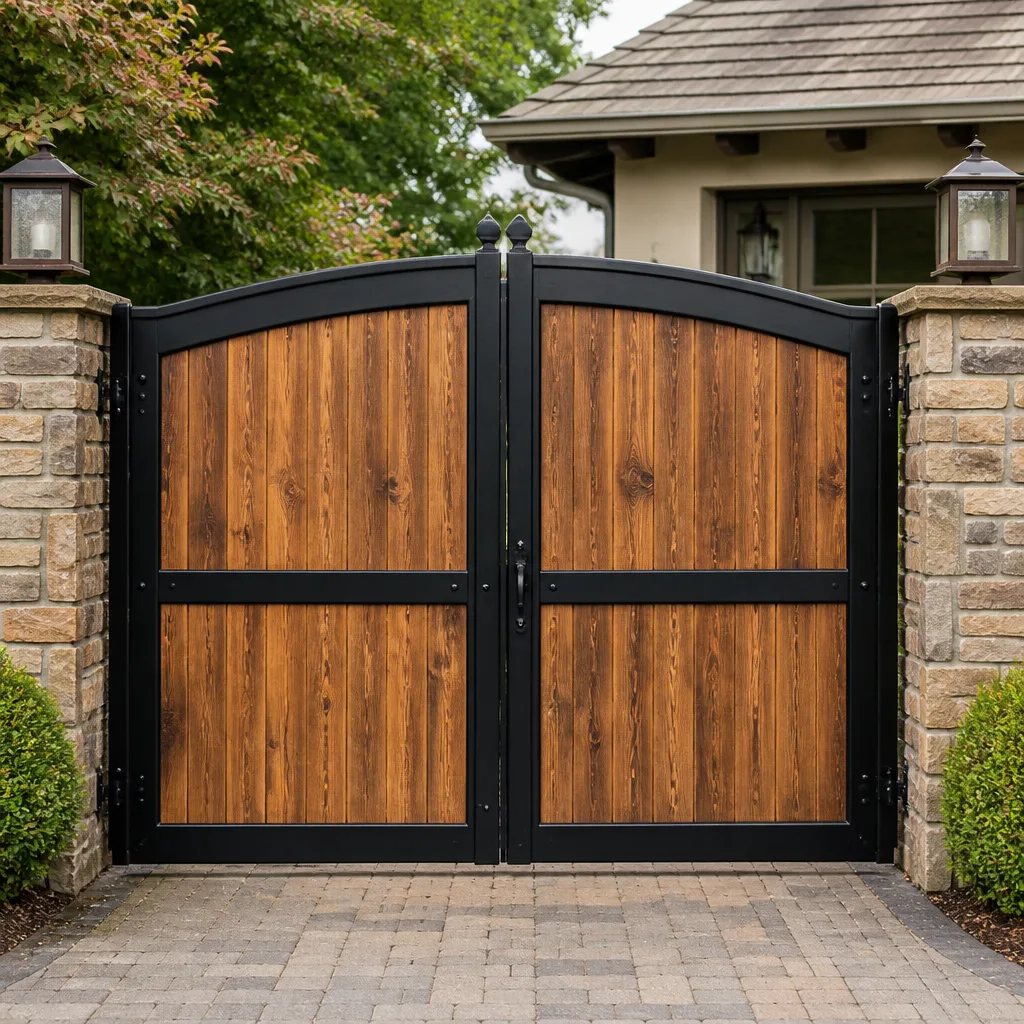 Wood & steel frame
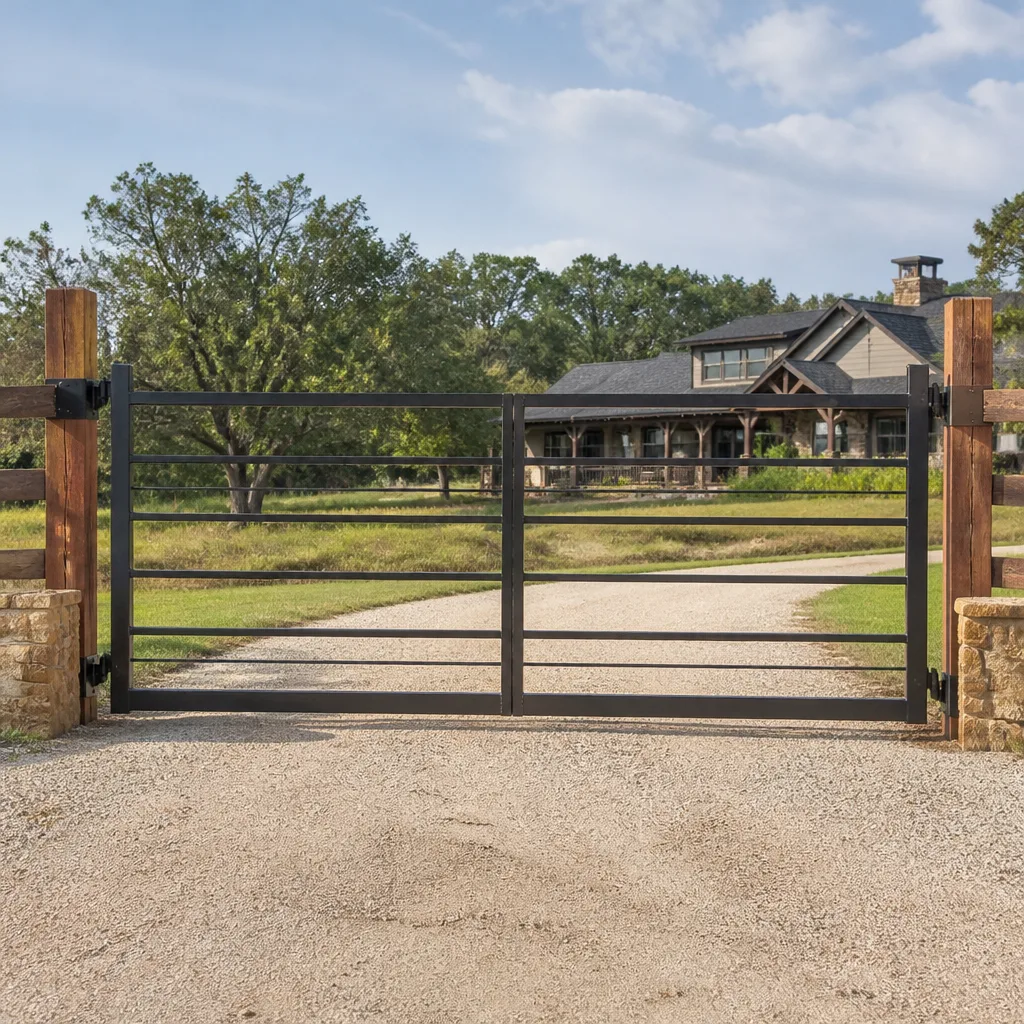 Farm & ranch
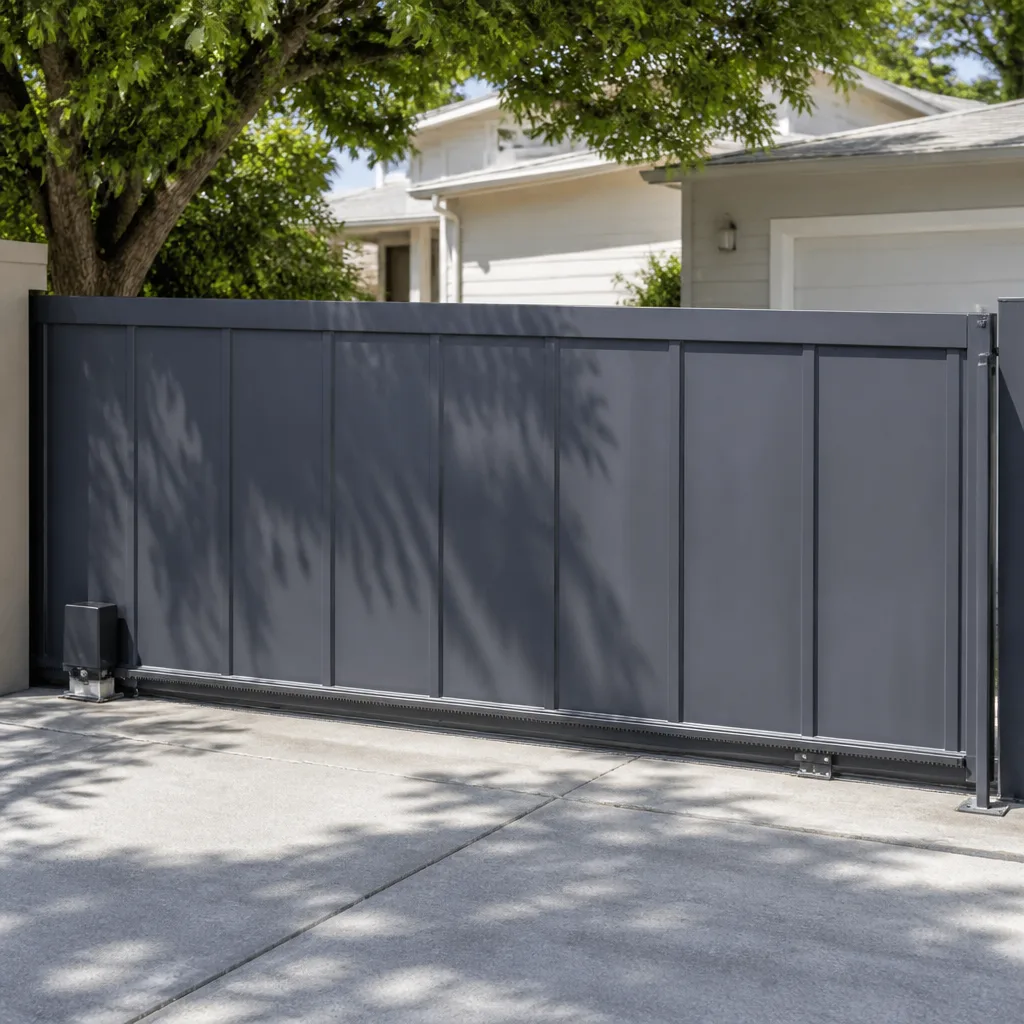 Sliding driveway gates
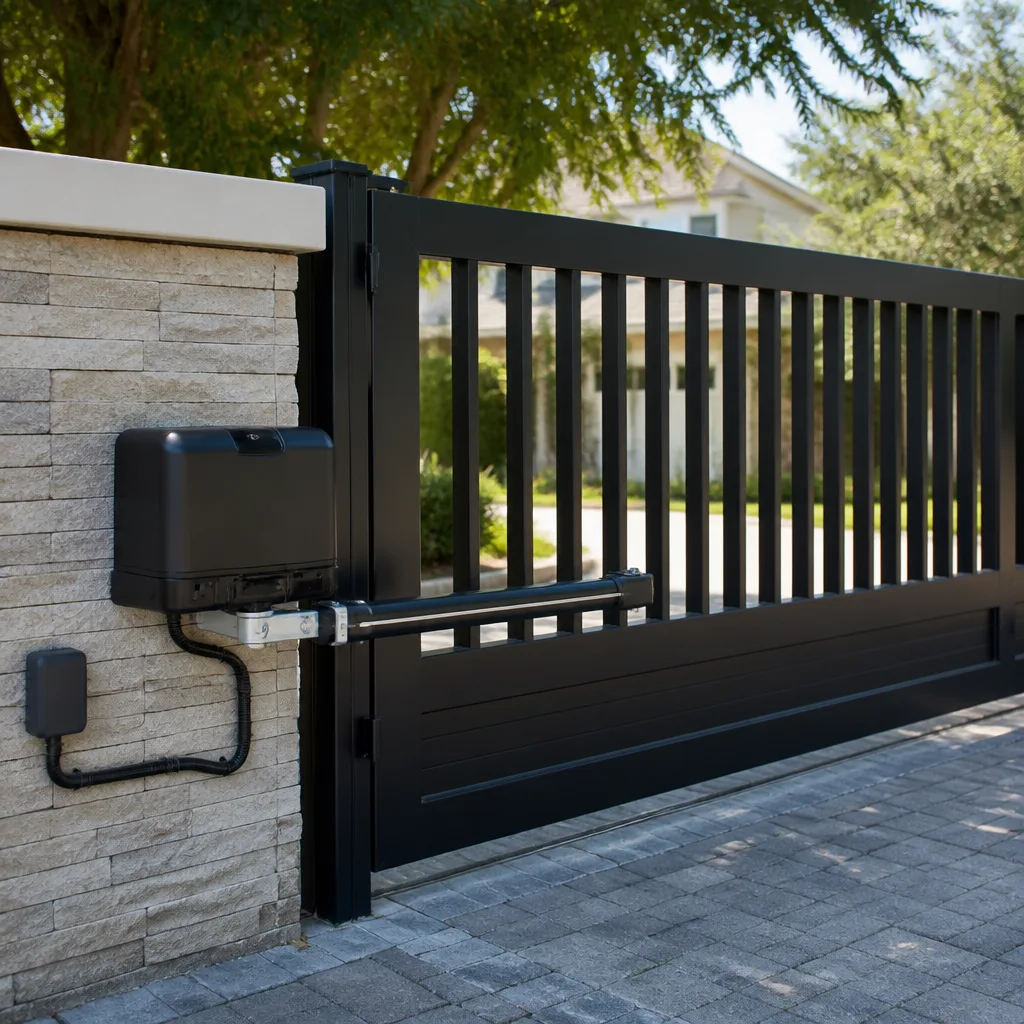 LiftMaster operators
Free on-site gate assessment - hinges, posts, and your LiftMaster or Nice gate operator checked before anything is quoted
The assessment is free and the quote is the invoice.
Get your free estimateGate Repair Warning Signs: A San Antonio Homeowner’s Reference Guide
A gate that hesitates for one second before opening is telling you something specific about its operator’s capacitor. Caught early, that signal points to a $25 part. Ignored for another month of daily use, it becomes a $400 control board. Most more guides & resources list the obvious failures: sagging, not closing, grinding. Those are late-stage symptoms. This guide works backward from those failures to the quieter signals that appear weeks or months earlier, so you can schedule a repair on a Tuesday afternoon instead of discovering a dead gate on a Sunday night in San Antonio.
Styles & brands we work with
Quick Answer
The earliest gate repair warning signs in San Antonio are subtle: a half-second hesitation before the gate moves, a faint click that wasn’t there before, a widening gap between gate and post, or a soft hum that continues after the gate stops. Each of these points to a specific component, and catching them early usually means a $25 to $150 fix instead of a $400 to $1,200 replacement. If your gate moves at all, watch it closely for one week before calling our Gate Repair services. If it doesn’t move, or if it reverses direction on its own, call a professional immediately.
Table of Contents
- Early Signal, Component, and Cost Difference
- The 90-Second Driveway Inspection
- What Your Gate Is Saying: Sounds Decoded
- San Antonio Soil and the Post-Lean Pattern
- Monitor for 30 Days or Call This Week
- Electric Gate Signals Most People Miss
- Pet and Kid Safety Signals
- Common Mistakes to Avoid
- When to Call a Professional
- Frequently Asked Questions
- The Bottom Line
Early Signal, Component, and Cost Difference
In our experience working on gates across San Antonio, the same pattern repeats: homeowners notice something small, wait, and then pay for a much larger repair. Here is what we see most often, paired with the likely culprit and what the cost difference looks like between acting early and waiting.
- Half-second hesitation before opening: Capacitor in the operator starting to weaken. Early fix: $25 to $85. Late fix: $350 to $450 for a control board. Electric gate repair in San Antonio handles this in one visit when caught early.
- Faint click near the operator when you press the remote: Relay or limit switch making partial contact. Early fix: $40 to $120. Late fix: $250 to $500 when the switch burns out and the gate no longer responds.
- Gate leans slightly toward the driveway: Post settling into shifting soil. Early fix: $150 to $350 to reset and brace the post. Late fix: $600 to $1,200 for a new post, new concrete footing, and rehanging the gate.
- Gate scrapes the ground at one specific spot: Hinge wear or post movement creating a low corner. Early fix: $80 to $200 for hinge replacement or post adjustment. Late fix: $400 to $900 when the frame bends or the wheel assembly breaks.
- Remote works only from 20 feet away instead of 50: Antenna corrosion or receiver sensitivity loss. Early fix: $75 to $150 for a receiver swap. Late fix: $300 to $600 when the operator board fails completely.
- Slight vibration the gate didn’t have before: Loose hardware, worn rollers, or a bent track section. Early fix: $60 to $140 to tighten and realign. Late fix: $350 to $800 for track replacement and motor strain damage.
Every one of these repairs starts with a written price before any work begins. You’ll see the exact number, agree to it, and then we start. That’s how Latch and Post Gate Repair San Antonio home services have operated since 2009.
The 90-Second Driveway Inspection
You don’t need tools or experience to catch most pre-failure signs. You need 90 seconds and a willingness to stand still and look at your gate the way a technician would. Here is the numbered walkthrough we teach to San Antonio homeowners.
- Stand 10 feet back and look at the top rail. Is it level? A consistent slope toward the latch side means the gate has settled. A slope toward the hinge side means the post is moving. Either one is a call-worthy signal if the slope is visible without squinting.
- Look at the gap between the gate and the post. Is the gap wider at the top than the bottom? That’s post lean, and in San Antonio clay soil, it’s the most common pre-failure sign we see. A quarter-inch difference is normal. A half-inch difference means the post is actively moving.
- Open the gate halfway and let go. Does it stay put, or does it drift open or closed on its own? Drift means the hinges are worn, the post is out of plumb, or the operator’s internal brake is failing. A gate that drifts closed on its own is a safety issue, especially with kids or pets around.
- Look at the ground directly under the gate’s path. Is there a worn groove, a bare spot, or small piles of metal dust? Metal dust near the hinges or wheels means metal-on-metal wear. That’s the early warning for a seized hinge or a collapsing wheel.
- Listen for anything while the gate is still. A faint hum, a soft tick, or a low buzz coming from the operator box when the gate isn’t moving means the capacitor or transformer is under constant load. That’s the quietest warning sign on this list, and the one people most often dismiss.
Run this inspection once a season. San Antonio’s summer heat and winter temperature swings stress gate components differently than the freeze-thaw cycles up north, and a quarterly look catches most problems before they become failures. If you find something in steps one through three, call us for a free estimate: a technician will confirm what you saw and put the price in writing before you decide anything.
What Your Gate Is Saying: Sounds Decoded
Gates make noise. The question is whether the noise is new, whether it’s changing, and what it’s pointing to. Here is the sound-based diagnosis guide we use on Cedarwell-family electric gates across San Antonio, broken down by the three most common sounds we hear.
Grinding
A grinding sound almost always means metal is touching metal somewhere it shouldn’t. On a sliding gate, it’s usually a worn wheel or a track out of alignment. On a swing gate, it’s usually a hinge that lost its lubrication or a post that has shifted enough to drag the gate against the frame. Grinding is a sound you can safely monitor for about a week while you watch the visual inspection points above. If the grind is accompanied by visible metal dust or a scrape mark on the gate, it’s time to call. Continued grinding wears a groove into the track or the hinge pin, and that turns a $65 hinge replacement into a $500 track replacement. We’ve seen this specific progression on Linear and Viking operators throughout San Antonio neighborhoods.
Clicking
A distinct click, especially one that repeats when you press the remote, usually points to a relay in the control board or a limit switch making partial contact. On DoorKing and Ghost Controls units, this click often comes from the operator box itself. A single click with no movement means the relay is firing but the motor isn’t receiving power. Multiple rapid clicks mean a limit switch is chattering. A click is worth a phone call. Relays and limit switches are inexpensive parts, but they sit next to expensive control boards, and heat from a chattering relay can damage the board. Early attention keeps this a $45 part instead of a $450 board.
Humming
A soft hum that continues while the gate is idle is the capacitor or transformer staying energized. A hum that starts when you press the remote but the gate doesn’t move is the motor trying to turn against a locked rotor, a seized hinge, or a jammed wheel. That second kind of hum is the one to take seriously: a motor under load but unable to turn overheats quickly, and a burned-out motor is the single most expensive component on the gate. If you hear a hum with no movement, stop using the gate and call us. We’ll diagnose it and give you a written price before anything gets taken apart.
San Antonio Soil and the Post-Lean Pattern
San Antonio sits on expansive clay soil that swells when wet and shrinks when dry. That movement is the single most consistent cause of gate post problems we see in this city, and it creates a visible pattern long before the gate stops working. A post set in concrete will move with the soil around it, and that movement shows up as a widening gap between the gate and the post. The gap appears first at the top, because the post tilts rather than drops straight down. You’ll see it most clearly in the months after a wet spring, when the soil dries out and contracts. The gate will still open and close fine during this phase. That’s the window to act.
The fix for an early post lean is straightforward: dig around the post, reset it plumb, and brace it with additional concrete or steel reinforcement. The late-stage alternative is what happens when the lean continues for another season: the gate starts dragging, the hinges bend, the latch stops aligning, and the entire post has to be replaced. That’s the difference between a $200 reset and a $1,200 rebuild. If you live in an older San Antonio neighborhood like Alamo Heights, Terrell Hills, or Monte Vista, your gate posts may be decades old, and the soil movement has had more time to work. Check the gap at the top of the post this week. A widening gap is the clearest early signal a gate can give you.
For homeowners considering a new gate rather than a repair, gate installation in San Antonio includes a post-setting process built for clay soil, with deeper footings and additional bracing where the soil requires it.
Monitor for 30 Days or Call This Week
Not every warning sign requires immediate action. Some are safe to watch. Some are not. Here is the practical rule we give San Antonio homeowners: a slow change is safe to monitor; a functional loss is not. Use these criteria to decide.
Safe to Monitor for 30 Days
- The gate opens and closes fully every time, but moves slightly slower than it did last month.
- You notice a small amount of surface rust on hinges or the latch, but the gate still swings freely.
- The remote’s range has dropped slightly, but it still works from your car in the driveway.
- The gap at the top of the post is wider than before, but the gate still latches and unlatches cleanly.
- A faint new sound appears but fades after a few cycles.
During those 30 days, run the 90-second inspection once a week and note whether the signal is stable or progressing. A stable signal means you can schedule a repair on your timeline. A progressing signal means the 30-day window just became a two-week window.
Call This Week
- The gate reverses direction on its own without any obstruction in its path.
- The gate doesn’t move at all when you press the remote or the keypad.
- You hear a hum with no movement. Stop using the gate until it’s inspected.
- The gate drifts closed on its own, especially on a slope or near a driveway.
- The latch doesn’t engage and the gate can be pushed open by hand.
- You see visible sparks, smell burning plastic, or notice a scorched area near the operator.
That last category is the safety line. A gate that reverses, drifts, or hums without moving is a gate that can hurt someone, and the fix should happen this week. Latch and Post Gate Repair San Antonio answers calls live, 24 hours a day, at (325) 252-5195. If it’s a safety issue, tell the person who answers and we’ll prioritize it.
Electric Gate Signals Most People Miss
Electric gates fail differently than manual gates, and the earliest signals are often electrical rather than mechanical. Here are the ones we find San Antonio homeowners most often overlook, along with what they mean.
- The gate pauses mid-cycle, then continues. This is usually a limit switch or a safety sensor flaking out. The gate is stopping because the board thinks it hit an obstruction. Early fix: $60 to $150 for a sensor or switch. Late fix: $300 to $500 when the board overheats from repeated stop-start cycles.
- The keypad accepts the code but the gate doesn’t respond. That’s a receiver or relay issue, not a keypad issue. People replace keypad batteries and keypads before checking the receiver, which is the more common failure point on Gate and Mighty Mule systems we service. Early fix: $75 to $175. Late fix: $300 to $600 when the operator board fails.
- The gate opens fine but closes at half speed. That’s an obstruction sensor sensitivity issue or a capacitor that only affects one direction. It’s subtle enough that most people don’t notice it for months. The gate will eventually stop closing entirely, usually at the worst possible time.
- The auto-close feature works intermittently. This points to a failing timer module or a safety edge that’s sending false signals. A safety edge that triggers randomly is a fire-and-forget problem: the gate behaves unpredictably, sometimes reversing when it shouldn’t, sometimes not reversing when it should. That’s a call-this-week signal.
If you have a Linear, Viking, Ghost Controls, or DoorKing operator, we’re factory-trained on all four and keep common parts on the truck. A first-visit diagnosis is free, and the repair price is written down before we turn a screw. Our gate repair service in San Antonio page covers the full scope of what we handle.
Pet and Kid Safety Signals
Most gate safety discussions focus on pinch points and auto-reverse sensors. That’s the protection you can see. The earlier signals are behavioral, and they show up in how your household uses the gate before anything mechanical fails.
If your dog has learned to slip through a gap that didn’t exist six months ago, that gap is a structural signal. The gate has moved enough to create an escape route, and if it has moved that much, it’s still moving. In San Antonio’s clay soil, that progression doesn’t stop on its own. If your kids have started ducking under the gate or squeezing past the latch side because the gate no longer closes flush, the latch alignment has drifted. A gate that doesn’t latch is a security problem and a pet problem. It’s also one of the easiest early fixes: realigning the latch is usually a $75 to $125 repair, and it restores the gate’s full function the same day.
When we step onto your property, we follow a routine designed for homes with kids and pets. Technicians wear shoe covers and lay drop cloths before stepping inside. We can schedule around nap time if quiet matters. We use pet-safe lubricants where there’s a choice. And we photograph the clean-up before we leave, so you know the space looks the way it did when we arrived. That’s the Cedarwell C.A.R.E. routine: clean up like it’s our own home, ask before we move or touch anything, respect your family’s time and quiet hours, and explain the price before the work. The goal is a gate that works and a house that looks untouched.
Common Mistakes to Avoid
- Lubricating a gate to cover up a grinding sound. Grease quiets a worn hinge for about a week, then the grinding returns louder because the metal surfaces are now isolated from each other and wearing faster. If the sound returned after lubricating, the hinge needs replacing, not more lubricant.
- Waiting until the gate stops completely before calling. By the time a gate won’t move, the original failure has often cascaded into a second or third failure. A $60 hinge becomes a $400 motor strain repair because the operator kept fighting a gate that was binding.
- Replacing the remote before testing the receiver. We see this constantly. A remote that won’t work from 20 feet away is often a receiver problem, not a remote problem. Test the keypad before replacing anything; if the keypad also struggles, the issue is the receiver or the board.
- Power-washing the operator box. San Antonio homeowners love a clean driveway, but power-washing an electric gate operator forces water past the seals and into the control board. Use a damp cloth, not a sprayer, on the operator housing.
- Ignoring a widening gap because the gate still opens fine. The gap between gate and post is the single most reliable pre-failure indicator on a San Antonio gate. When it’s visibly wider than it was last season, the post is moving, and the clock is running.
- Adjusting the auto-close timer to fix an intermittent close. Changing the timer settings masks a failing module or sensor. The gate may close reliably for a few weeks, then the underlying part fails completely and the gate won’t close at all.
- Skipping the quarterly visual inspection because “it’s been fine.” Gates don’t fail suddenly. They fail gradually, and the signs are visible. The 90-second inspection above catches most of them.
When to Call a Professional
Call a gate professional this week if your gate reverses on its own, drifts open or closed without input, hums without moving, or won’t latch. Those are safety and security failures. Call a professional when you see a top gap widening, hear a clicking from the operator box, or notice metal dust near hinges or wheels, as explained in How to Hire a Gate Repair Contractor in San Antonio: A Step-by-Step Guide. Those are pre-failure signals that get more expensive with time. Latch and Post Gate Repair San Antonio offers free estimates across San Antonio, with a written price before any work begins. Call (325) 252-5195 any time; a live person answers, nights and weekends included.
Frequently Asked Questions
The most common early warning signs are a widening gap between the gate and post, a half-second hesitation before movement, a faint click from the operator, and a drift when the gate is stopped mid-swing. Each points to a specific component, and most are inexpensive to fix when caught early. If you’ve noticed any of these, call Latch and Post at (325) 252-5195 for a free estimate; we’ll confirm the signal and give you a written price before any work.
Gate repair in San Antonio typically runs from $75 for a simple latch realignment to $1,200 for a full post replacement. Most repairs we perform fall in the $150 to $450 range: hinge replacements, limit switch swaps, capacitor replacements, and track realignments. You’ll see your exact price in writing before any work starts, every visit, no surprises. Call (325) 252-5195 for a free estimate on your specific gate.
A humming gate with no movement means the motor is trying to turn against a locked rotor, seized hinge, or jammed wheel, which is dangerous because the motor will overheat and burn out if the condition continues. Stop using the gate and call a professional this week. A soft hum while the gate is idle is a lesser concern but still signals a capacitor or transformer under constant load, and it’s worth a diagnostic visit. Call (325) 252-5195 and a technician will assess it and give you a written price.
Run the 90-second driveway inspection once a season, or about four times a year. San Antonio’s clay soil expands and contracts with rainfall and drought, so post movement shows up seasonally, and a quarterly check catches it before the gate starts dragging. If you notice any change between inspections, call us for a second set of eyes; estimates are free.
We’re factory-trained on the brands families in San Antonio actually own: LiftMaster, FAAC, BFT, Linear, Viking, Ghost Controls, DoorKing, Elite, and Mighty Mule. If your operator is from one of those manufacturers, we likely have the parts on the truck and can complete the repair on the first visit. Call (325) 252-5195 with your brand and model and we’ll confirm coverage before we schedule.
Yes. Every estimate includes a written price before any work begins, and the quote covers the full repair, including parts and labor. You’ll have the number in hand before you decide anything, and there’s no pressure to accept. Call (325) 252-5195 any time; a live person answers 24/7 and will schedule your estimate at a time that works for your family.
The Bottom Line
A gate rarely fails without warning. The signals are there: a gap that widens by a quarter-inch, a hesitation that lasts half a second, a click or a hum that wasn’t there before. Catching those signals early, on your schedule, is the difference between a $75 repair and a $1,200 replacement. In San Antonio’s clay soil and summer heat, those signals appear on a predictable seasonal rhythm, and a quarterly driveway inspection is the best way to stay ahead of them. If you see something, call us. We’ll give you a straight answer, a written price, and a gate that works like it should.
Written by Cody Beckman, Owner at Latch and Post Gate Repair San Antonio, serving San Antonio since 2009.
See the difference
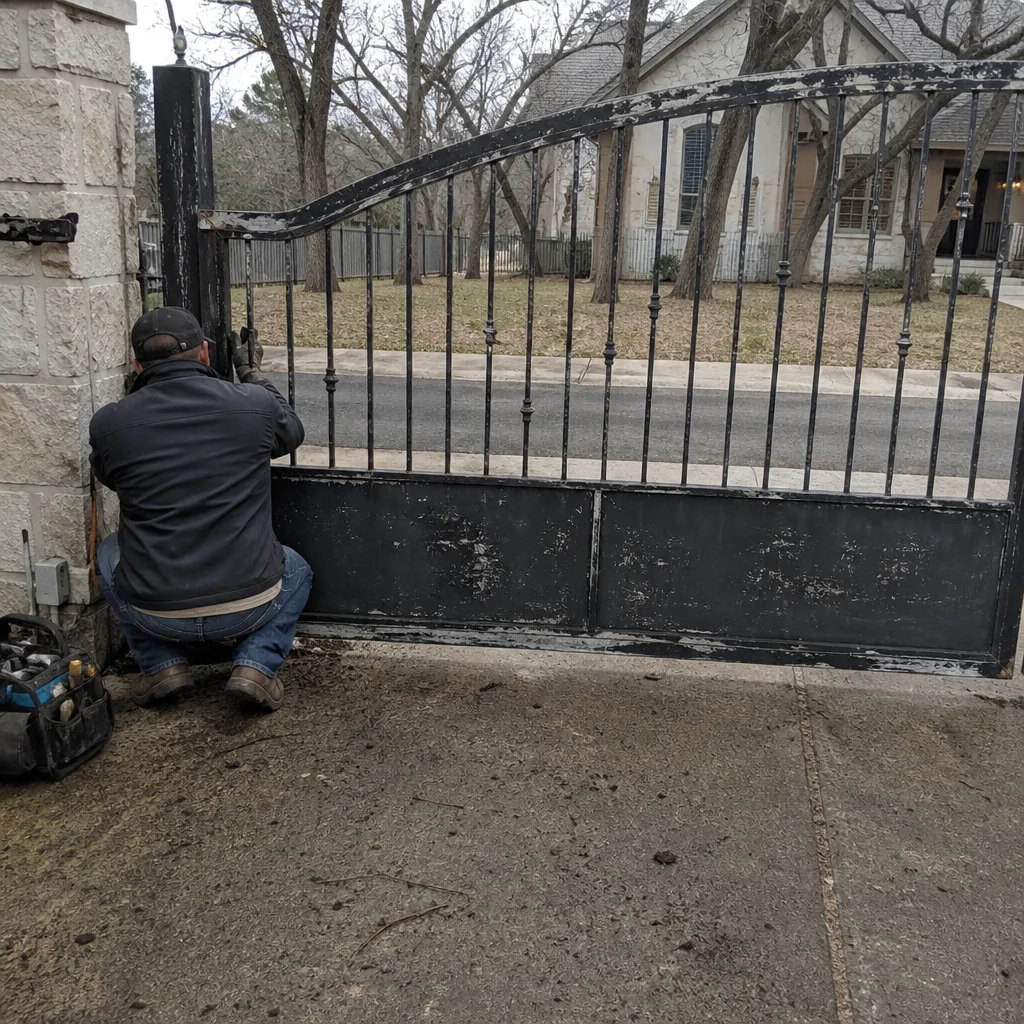 Before
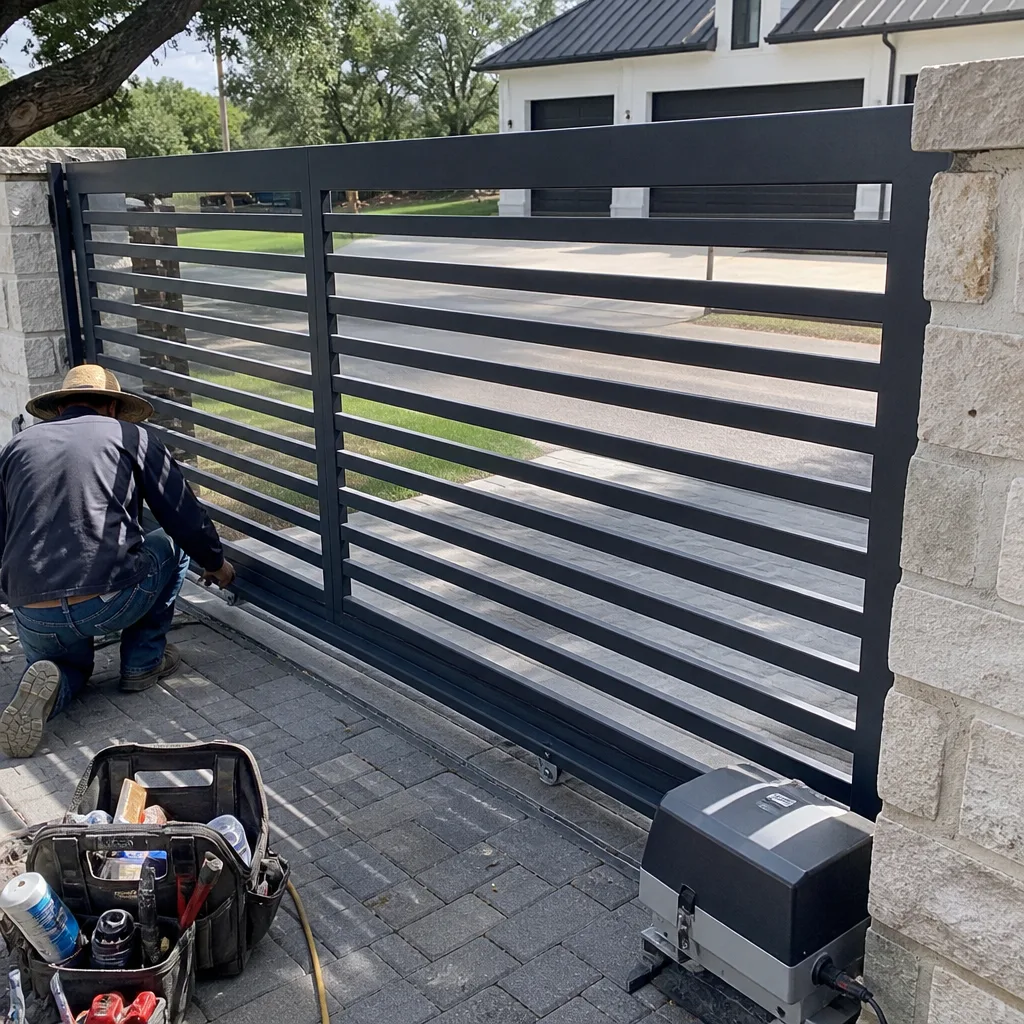 After
After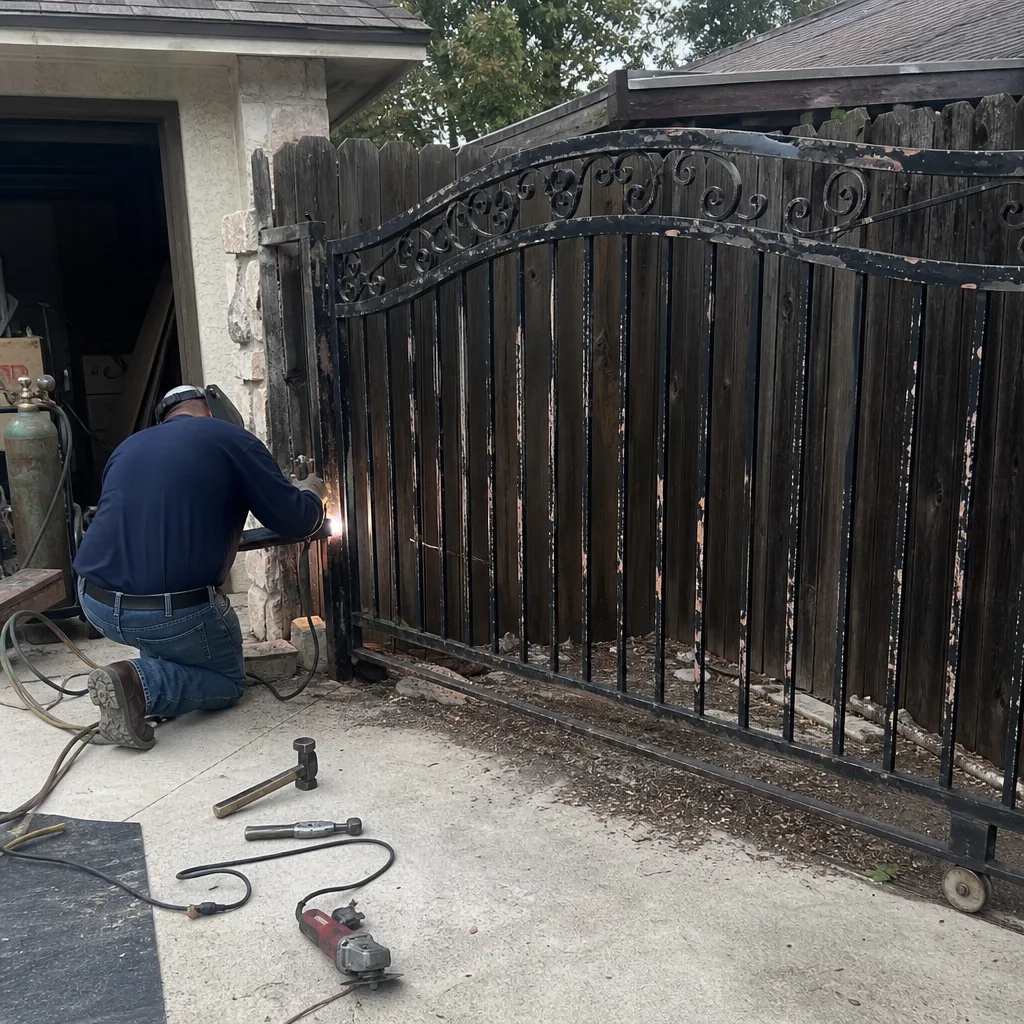 Before
 After
After Before
 After
After