
Last updated October 17, 2026
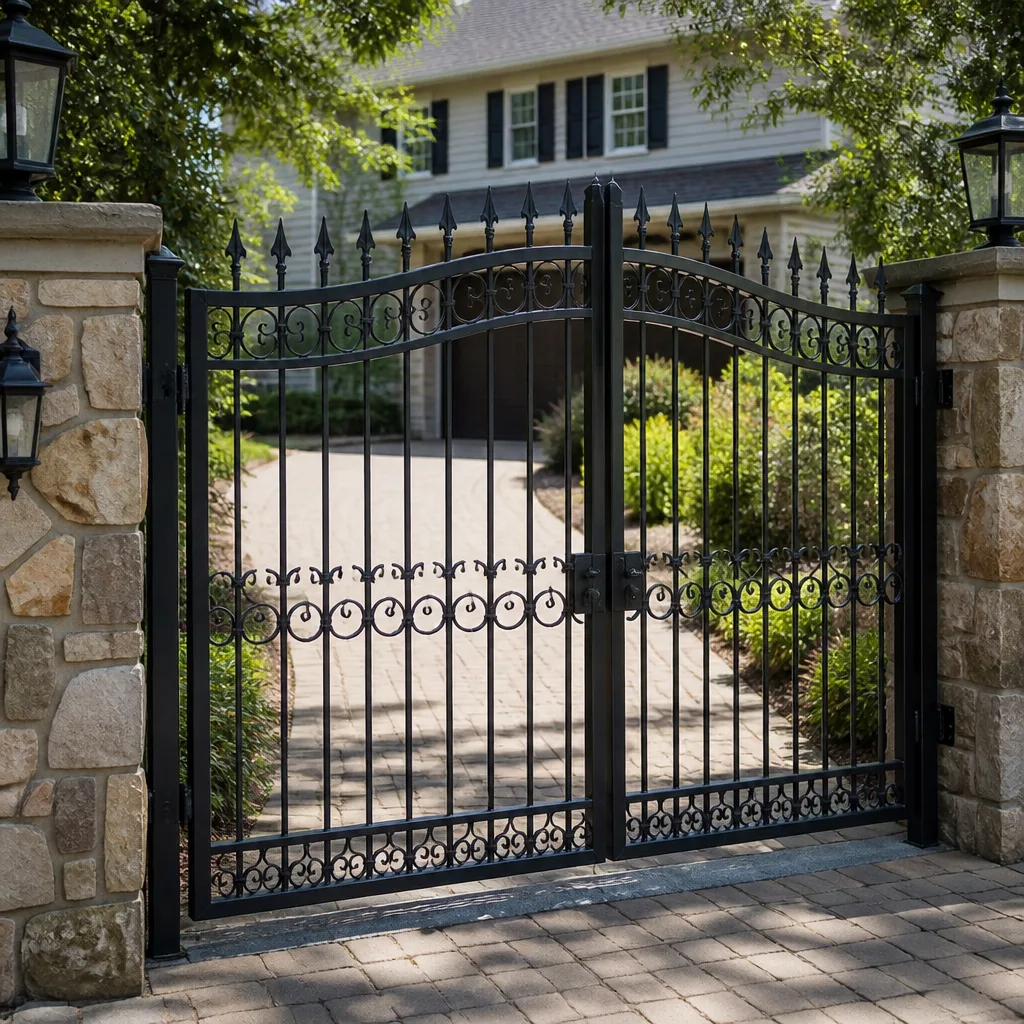 Wrought iron
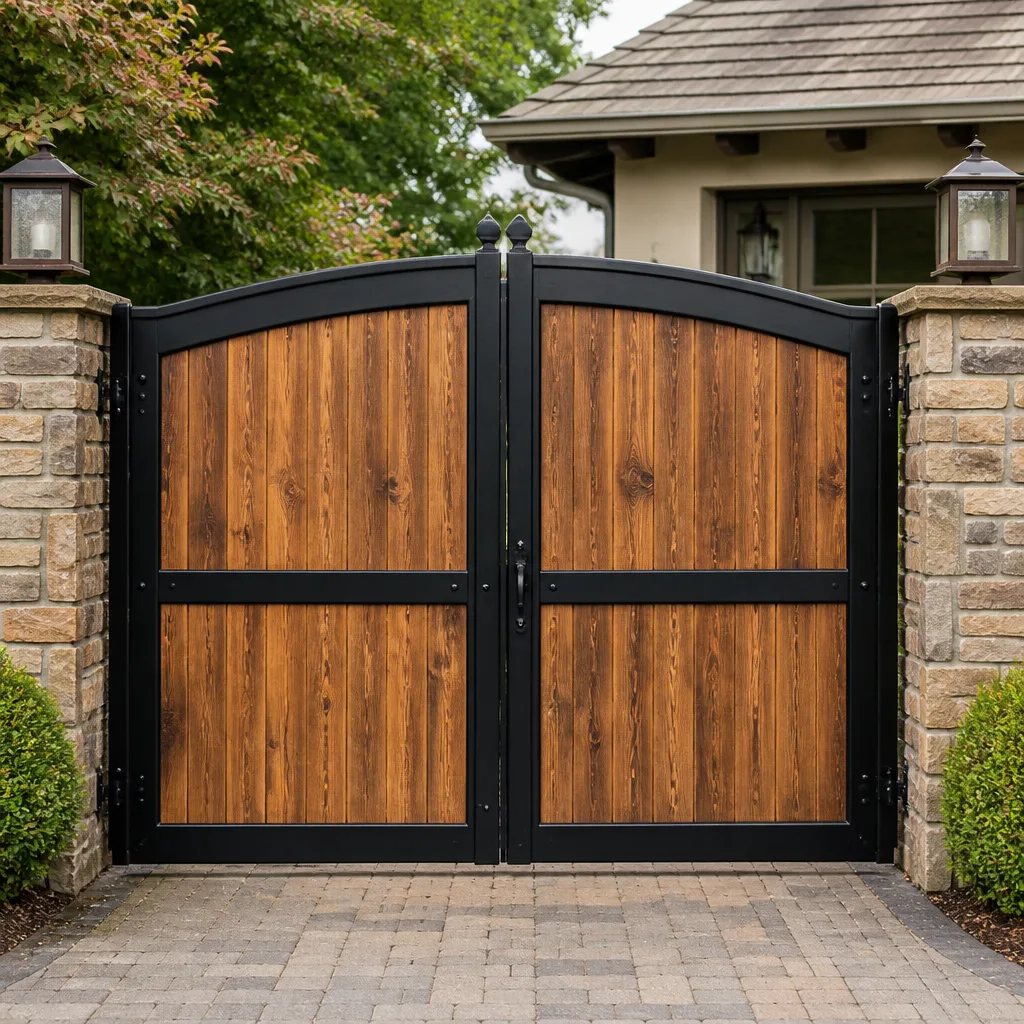 Wood & steel frame
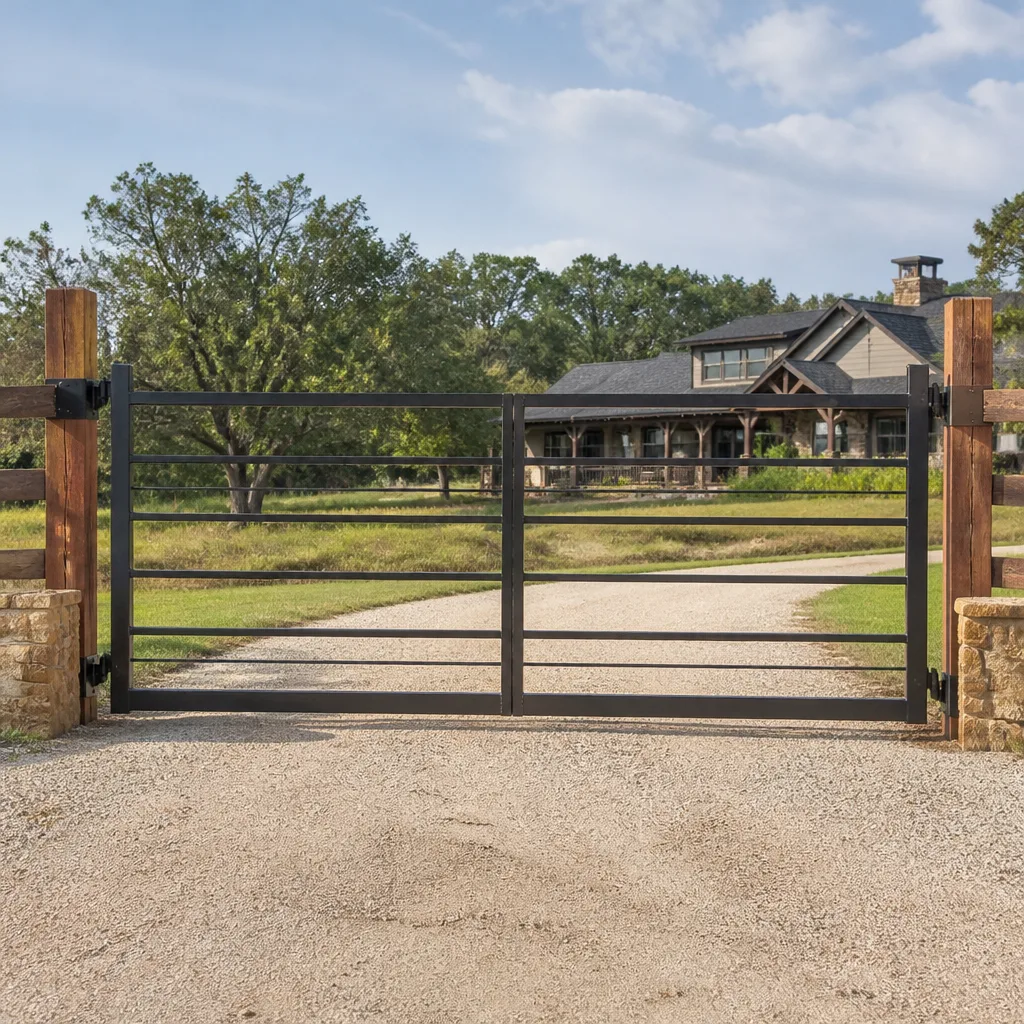 Farm & ranch
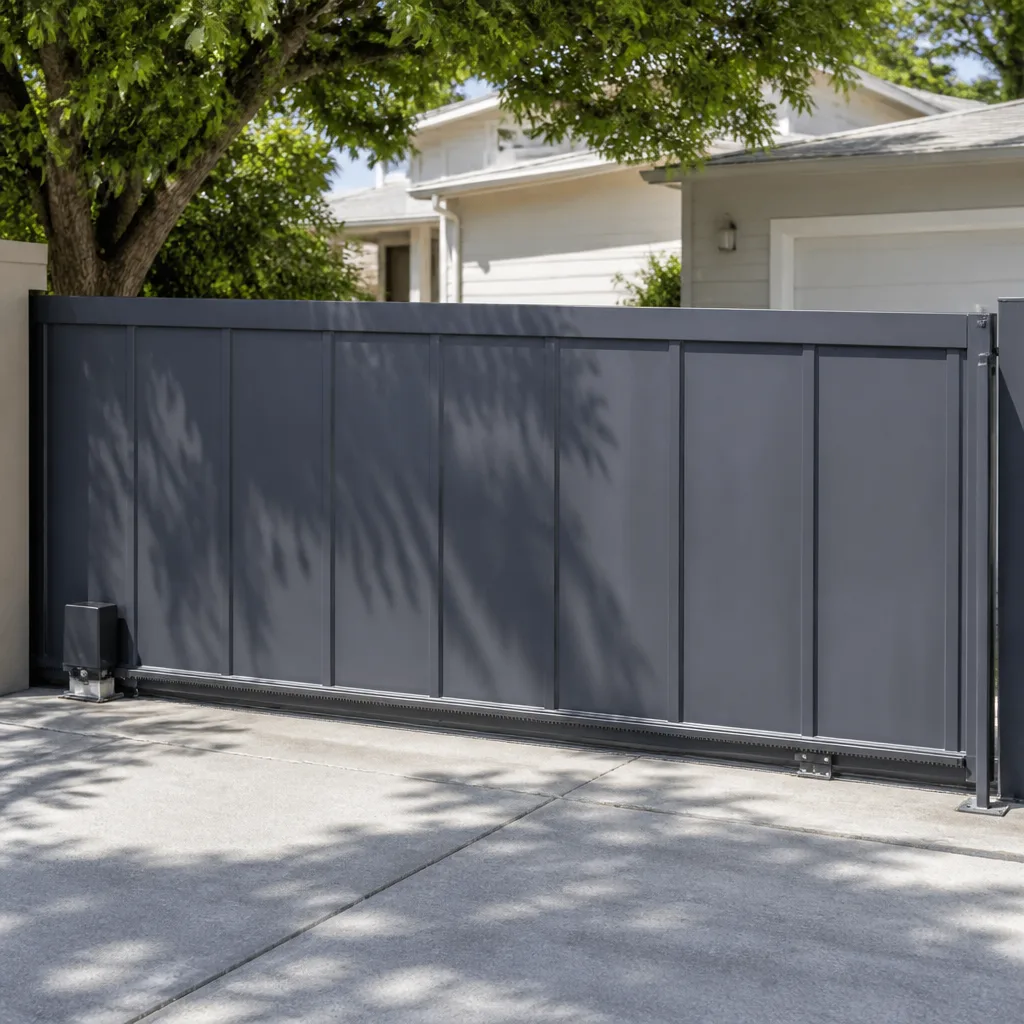 Sliding driveway gates
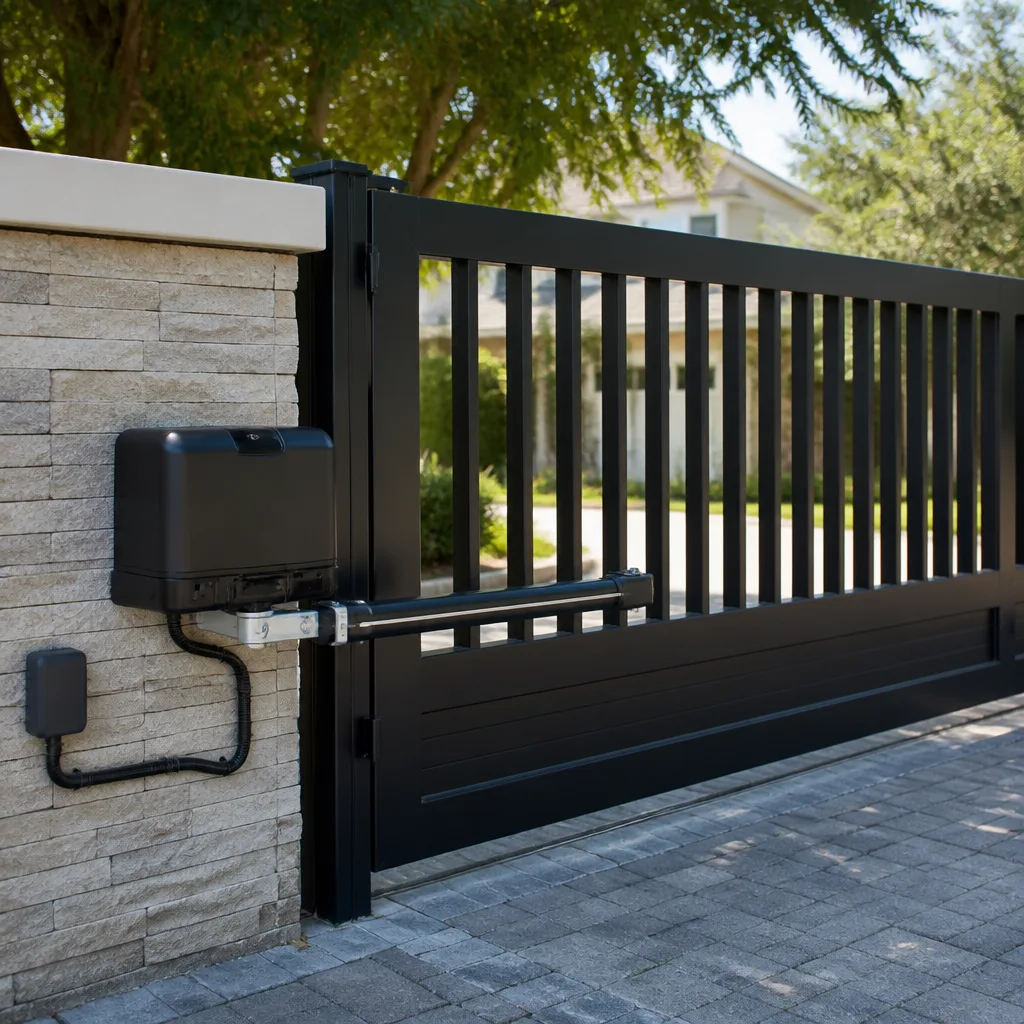 LiftMaster operators
Free on-site gate assessment - hinges, posts, and your LiftMaster or Nice gate operator checked before anything is quoted
The assessment is free and the quote is the invoice.
Get your free estimateHow to Hire a Gate Repair Contractor in San Antonio: A Step-by-Step Guide
Here’s something most San Antonio homeowners don’t realize until it’s too late: the State of Texas does not require a specialty gate contractor license for gate repair work. Any handyman with a truck and a wrench can legally show up at your house, take apart your automatic gate operator, and hand you a bill. That single fact reshapes how you should approach hiring. This guide walks you through the exact screening process we’d recommend to a neighbor in San Antonio, step by step, so the person who shows up is someone you can trust with your gate, your family, and your floors.
Quick Answer
To hire a gate repair contractor in San Antonio, ask four specific questions on the first call, require a written itemized price before any disassembly begins, confirm the contractor has specific experience with your gate’s brand (Ghost Controls, DoorKing, Elite, or Mighty Mule are common in San Antonio), and check that they have a documented care routine for your home. The single most important step is getting the price in writing before work starts, because San Antonio has no specialty gate license requirement, which means the paperwork you ask for is the only real protection you have.
Styles & brands we work with
Table of Contents
- Why Licensing Doesn’t Protect You in San Antonio
- The Four Questions to Ask on the First Phone Call
- Why a Written Price Before Disassembly Is Everything
- How to Confirm Brand-Specific Experience
- What a Documented Care Routine Tells You
- San Antonio-Specific Red Flags
- The Step-by-Step Hiring Process
- What Gate Repair Costs in San Antonio
Why Licensing Doesn’t Protect You in San Antonio
In San Antonio, there is no state-mandated gate repair license. Unlike electricians or plumbers, who must hold specific Texas licenses to work in your home, gate technicians fall into a gray zone. A general contractor’s license or a handyman registration may be enough, and even those aren’t always required for smaller jobs. This means the state of Texas is not verifying that a gate repair technician knows how to work on a DoorKing swing arm or a Ghost Controls slide gate. You are the one who has to do that verification.
What this means in practice: when you call a gate repair company in San Antonio, the person who answers the phone may work for a company with no formal training program, no brand certification, and no documented history with the equipment on your property. They may be perfectly competent. They may not be. The licensing system will not tell you the difference.
The practical result is that the hiring conversation shifts from “Are you licensed?” (which almost anyone can legally say yes to) to “Can you show me, in writing, what this will cost and exactly what you’ll do?” That question filters out the operators who rely on vague verbal estimates and post-disassembly surprises. It is the single most effective screening tool a San Antonio homeowner has, and it costs nothing to use.
For a deeper look at how repair work is actually done at a company that operates on this principle, see our guide to Gate Repair in San Antonio.
The Four Questions to Ask on the First Phone Call
The first phone call tells you more than any website or review page. Here are the four questions we recommend asking every contractor, in order, and what each answer reveals.
- “Am I speaking with a person right now?” – This sounds odd, but it’s the fastest test. If you get a voicemail, a callback queue, or an automated system, note that. A company that answers live at 2 p.m. is more likely to answer live when your gate is stuck open at 7 a.m. on a Saturday. A live person on the first ring is not a guarantee of quality, but a voicemail on the first call is a signal about what happens when you need help. At Latch and Post Gate Repair San Antonio, a live person answers every call, 24 hours a day, seven days a week. That’s the standard you want.
- “Will you give me a written price before you take anything apart?” – This is the question that matters most. Any answer other than “yes” is a red flag. A verbal estimate over the phone is not a price. A range is not a price. “We’ll see when we get there” is not a price. The correct answer is a clear, confident yes, because the company already knows what standard gate repairs cost and is willing to commit to that number before touching your gate.
- “Have you worked on my gate’s brand before?” – Ask specifically. “Do you know DoorKing operators?” “Have you fixed a Ghost Controls slide gate?” “Do you service Elite swing arms?” A contractor who says “we work on everything” may or may not be honest. A contractor who says “Yes, we’re factory-trained on DoorKing, FAAC, BFT, Linear, Viking, Ghost Controls, and Mighty Mule” is giving you specific information you can verify. That specificity is what you’re listening for.
- “What do you do to protect the inside of my home when you come through?” – This question surprises many contractors. The ones who have a real answer, something like “we put on shoe covers before stepping inside and lay drop cloths where we’re working,” are telling you how they think about your home. The ones who pause or say “we’re careful” haven’t thought about it. A company that documents a care routine is a company that has systems, not just tools.
Ask these four questions on your first call to any gate repair contractor in San Antonio. The answers will sort the field faster than any review site.
Why a Written Price Before Disassembly Is Everything
The moment a gate repair fails for a San Antonio homeowner is almost never the repair itself. It’s the moment the technician has the gate disassembled, the parts stacked on the driveway, and a price in hand that is two or three times what the homeowner expected. At that point, the homeowner faces a choice: pay the higher price or pay a trip charge and put the gate back together themselves. That is the failure point this entire guide is designed to prevent.
A written, itemized price changes the power dynamic. It says, before anything is unscrewed or unbolted, exactly what the repair will cost and exactly what that cost covers. Parts. Labor. Trip charge. Everything. If the technician discovers something unexpected, which does happen, the written price gives you a baseline from which to discuss the change. You are not negotiating from zero with your gate in pieces on the ground.
Here’s what a useful written price looks like in practice. Most standard gate-latch replacements in San Antonio run between $250 and $450, and you’ll see the exact number in writing before we touch anything. A hinge replacement typically runs $350 to $600 depending on the gate’s weight and the number of hinges. An operator control board replacement, common on Ghost Controls and Mighty Mule units after a power surge, usually runs $400 to $700. Those numbers are not guesses; they’re the kind of figures a written estimate should include.
What the written price protects, more than anything, is the homeowner’s ability to say no. If the price is in writing and it’s higher than you want to pay, you can decline without any disassembly having happened. Your gate is still intact. You can call someone else. That option disappears the moment the technician starts taking things apart on a verbal estimate. This is the single most important contract protection available in San Antonio, because no license board is going to intervene for you.
We include a written price before any work begins, every single visit, with no pressure to accept. If you’re comparing contractors, start with the one who commits to a written price on the first call.
How to Confirm Brand-Specific Experience
Every gate comes down to two parts: the latch that holds it and the post that carries it. That’s the job we focus on. But within that job, the electronic and mechanical details vary wildly by brand. A DoorKing swing arm doesn’t fail the same way a Mighty Mule opener fails. A Ghost Controls slide gate has different limit-switch behavior than an Elite system. A contractor who treats all brands as interchangeable is a contractor who will diagnose by swapping parts until something works, and you’ll pay for the parts that don’t.
Here’s how to verify brand experience on the phone, without being confrontational:
- Ask the specific brand question. “Which brands do your technicians train on?” Listen for names. A real answer includes specific manufacturers. A vague answer, like “all the major ones,” is not an answer.
- Ask about your exact symptom. “My Mighty Mule gate opens about halfway and stops. What usually causes that?” A technician who knows the brand will describe the likely cause, a limit-switch issue or a gear problem, in specific terms. A technician who doesn’t will say they need to see it first, which is fair but less informative.
- Ask about the operator’s manual. “Do you keep the wiring diagrams for Ghost Controls units on hand?” A company that has the diagrams is a company that has done this before.
In San Antonio, the heat and occasional freeze cycles put real stress on gate operators. The sun bakes the control boards in the summer, and the cold snaps in January and February can stiffen the grease in older gearboxes. A technician who has worked on your brand in this climate knows which failure modes to check first. That’s what brand experience means in practice: not a logo on a website, but a technician who has seen your brand fail in San Antonio’s weather and knows the likely culprit before the first screw comes out. Our technicians are factory-trained on LiftMaster, FAAC, BFT, Linear, Viking, Ghost Controls, DoorKing, Elite, and Mighty Mule, so the right fix happens on the first visit. If you’re looking for Electric Gate Repair in San Antonio, brand experience is the difference between a one-visit fix and a parts-swapping marathon.
What a Documented Care Routine Tells You
The way a contractor treats your floors is a reliable predictor of the way they treat your gate. A technician who puts on shoe covers before stepping inside, lays drop cloths where they’re working, and cleans up after themselves is demonstrating a habit of care. That habit carries over to torque settings, wiring connections, and hinge alignment. A technician who tracks dirt across your living room is not going to be more careful with your gate operator.
Here’s what to look for when you ask about on-site care:
- Shoe covers. If you have to ask for them, the company doesn’t have them as a standard practice. A company with a documented care routine has them on before stepping through the door, without being asked.
- Drop cloths. Gate repair sometimes involves laying out tools, disassembled parts, and new components. A drop cloth keeps grease and metal shavings off your floor. It’s a small thing that most companies skip.
- Cleanup documentation. A photo of the cleaned-up work area, taken before the technician leaves, is the clearest signal that the company has a system. It means the cleanup is not left to the technician’s mood; it’s part of the job, with a record.
- Ask-before-touching. A technician who asks before moving a potted plant or unplugging something near the gate is a technician who respects that this is your home, not a job site.
These are the Cedarwell C.A.R.E. values that guide our team: clean up like it is our own home, ask before we move or touch anything, respect the family’s time and quiet hours, explain the price before the work. In practice, that means shoe covers and drop cloths on every visit, plus a photo of the clean-up before the technician leaves. It also means we choose pet-safe lubricants where there’s a choice, and we can schedule around nap time if quiet matters. These are the details that matter to families with kids and pets, and they’re the details most gate companies never think to mention.
A contractor who has thought about your floors has thought about your gate. The two are the same habit.
San Antonio-Specific Red Flags
San Antonio’s gate repair market has its own patterns, shaped by the city’s weather and the licensing gap. Here are the red flags we see most often, in our experience servicing gates across San Antonio.
- Storm-chaser pricing after freezes. After the January freezes that hit San Antonio, gate operators fail in clusters. Gears stiffen, boards short, and homeowners call whoever answers first. Some operators raise prices during these demand spikes, knowing that stressed homeowners are less likely to comparison-shop. A contractor who gives you a written price before disassembly is insulated against this; a verbal-estimate operator is not.
- Unlicensed operators sold as “compatible.” As noted earlier, San Antonio has no specialty gate license requirement. Some companies lean on this by claiming their technicians are “compatible with all brands” rather than trained on specific ones. “Compatible” is a word that means nothing. Ask for specific brand names.
- Verbal warranties with no written backing. “We guarantee our work” is a pleasant sentence. It is not a warranty. A warranty is a written promise with a time frame and a clear condition: if the repair fails within 365 days, we fix it at no charge. If the contractor won’t put the warranty in writing, assume there is no warranty.
- No physical presence in San Antonio. Some gate repair services are call centers that dispatch independent technicians. The phone number looks local, but the person on the phone is reading a script and the technician who shows up is a subcontractor with no connection to the company you called. Ask where the company is based and who actually employs the technician who will come to your home.
- The “we’re already in your neighborhood” discount. This is a classic door-to-door and cold-call pitch. A contractor who is “already in your neighborhood” and offers a discount for signing today is using urgency to bypass the written-price step. Legitimate gate repair companies in San Antonio don’t go door to door.
None of these red flags are unique to San Antonio in kind, but the city’s combination of a licensing gap, freeze cycles, and a large suburban market with many automatic gates creates an environment where they thrive. The written price is the filter that removes most of them at once.
The Step-by-Step Hiring Process
Here is the complete hiring process, in order, for a San Antonio homeowner. Each step builds on the one before it, and the entire sequence is designed to prevent the disassembly surprise.
- Make the first call at a normal hour. Mid-morning or mid-afternoon on a weekday. If a live person doesn’t answer, note that. Call at least two companies so you have a baseline for comparison.
- Ask the four questions. The ones listed earlier: live answer, written price, brand experience, care routine. Write down the answers. The pattern matters more than any single answer.
- Request a site visit, not a repair. Say you want a diagnosis and a written price, not an immediate repair. This sets the expectation that no disassembly will happen without a written number.
- Get the written, itemized price. Before any work begins. Look for four items: parts (with brand and model), labor (with hourly rate or flat fee), trip charge, and total. If any item is missing, ask for it.
- Confirm the warranty in writing. Ask what happens if the repair fails in six months. The answer should be specific and written. At Latch and Post, every repair and installation is backed by the 365-Day Done Right Promise: if it’s not done right, we make it right, no argument, no fine print.
- Ask about the on-site routine. What time will they arrive? Will they wear shoe covers? What happens to the old parts? Will they walk you through the repair before they start? The answers tell you what the day will look like.
- Schedule and be present. Be home for the repair. Walk the technician through the gate’s history. Watch how they set up. If the care routine they described on the phone doesn’t match what they do on site, that’s information.
One more note on step 4: the written price should be a firm number, not a range with a note that “actual cost may vary.” Some variation is legitimate if the technician finds hidden damage, but the written price is the anchor. If the final number is higher than the written price, the technician should explain exactly what changed, in writing, before continuing. That conversation is fair. The surprise is not.
What Gate Repair Costs in San Antonio
Gate repair pricing in San Antonio varies by the type of gate, the brand of operator, and the age of the equipment. Here are the ranges we see most often, in our experience servicing gates across the city. These are not quotes; they are context so you can spot a number that doesn’t make sense.
- Standard gate-latch replacement: $250 to $450, including parts and labor, depending on the latch type and gate weight.
- Hinge replacement (single gate): $350 to $600, depending on the number of hinges and whether the post needs reinforcement.
- Operator control board replacement: $400 to $700, common on Ghost Controls and Mighty Mule units after a power surge or freeze cycle.
- Slide gate roller replacement: $500 to $900, depending on the track length and the number of rollers.
- Swing arm operator replacement: $900 to $1,800, depending on the brand and the gate’s weight and length.
- Full automatic gate installation: $4,500 to $12,000, depending on the gate material, operator brand, and access control hardware.
These ranges assume a standard residential gate in good structural condition. A gate with rusted posts, a sagging hinge, or a control board that has been failing intermittently for months will cost more to repair correctly, because the underlying issues have to be addressed too. A written, itemized price will show you exactly what each line item covers before work begins. If you’re weighing repair against replacement, see Gate Installation in San Antonio for a fuller picture of what a new gate entails.
Common Mistakes to Avoid
- Accepting a verbal estimate over the phone. A range given on the phone is not a commitment. It’s a conversation starter. The real price appears after disassembly. Insist on a written price before work begins.
- Skipping the brand question. “Do you work on all brands?” is not the question. “Do you work on my brand, specifically?” is the question. A contractor who has never seen a DoorKing swing arm is not going to diagnose it correctly on the first visit.
- Hiring based on price alone. The cheapest quote in San Antonio often comes from an operator with no care routine, no written warranty, and no brand training. The price looks good until the repair fails in four months and the phone number no longer works.
- Not asking about the home-protection routine. If a contractor has no answer for “how will you protect my floors,” they probably don’t have a system for anything. The shoe-cover question filters out most of the field.
- Accepting a verbal warranty. “We guarantee our work” is not a warranty. A warranty is written, dated, and specific about what it covers and for how long. Ask for it in writing.
- Paying in full before the repair is complete. Some operators ask for full payment upfront. A written price is fine. Full payment before the gate is working is not. Standard practice is payment on completion, after you’ve seen the gate operate.
- Not being home for the repair. You don’t have to supervise, but being present means you can ask the “what changed” question if the written price shifts. It’s harder to have that conversation over the phone after the fact.
See the difference
 Before
 After
After Before
 After
After Before
 After
AfterWhen to Call a Professional
Some gate issues are safe to inspect yourself: a latch that’s loose, a hinge that squeaks, a gate that scrapes the driveway. But the moment the problem involves a high-tension spring, a cable under load, or the operator’s electrical wiring and control board, call a professional. Gate springs and cables carry enough stored energy to cause serious injury if they release unexpectedly, and automatic gate operators mix electricity with heavy moving metal. Do not work on those components yourself. A trained technician has the tools and the torque specs to do the job safely. Latch and Post Gate Repair San Antonio offers free estimates in San Antonio, call (325) 252-5195, and every estimate includes a written price before any work begins.
Frequently Asked Questions
Gate repair in San Antonio typically runs between $250 and $1,800 depending on the job. A simple latch replacement runs $250 to $450, a hinge replacement $350 to $600, a control board replacement $400 to $700, and a full swing arm operator replacement $900 to $1,800. You should always get a written, itemized price before any disassembly begins, which is the best way to ensure the number you’re quoted is the number you pay. Call (325) 252-5195 for a free estimate with a written price, no obligation.
No. Texas does not have a specialty gate contractor license, which means anyone can legally perform gate repair work in San Antonio without state-level verification of their training or experience. This is why the screening questions in this guide matter more than a license check: the written price, the brand-specific experience, and the documented care routine are the real filters.
Ask four questions: (1) Does a live person answer the phone, and will that be true when my gate fails at night? (2) Will you give me a written, itemized price before taking anything apart? (3) What specific brands do your technicians train on, and have you worked on mine? (4) What do you do to protect the inside of my home during the repair? The answers reveal more than any license or review page, especially in San Antonio where there is no gate license requirement. For a detailed walkthrough, see our Latch and Post Gate Repair San Antonio home guide to how we work.
Most standard gate repairs in San Antonio, like a latch replacement or a hinge swap, take one to two hours on site. Control board replacements take about the same, plus programming time. Full operator replacements or installations can take half a day to a full day, depending on the gate’s size and the power run. A written estimate should include a time frame along with the price. At Latch and Post, every repair and installation is backed by the 365-Day Done Right Promise.
If the gate’s structure, meaning the frame, hinges, and post, is sound, repair is almost always cheaper and faster than replacement. If the post is rusted through, the gate is sagging badly, or the operator is more than 15 years old and failing repeatedly, replacement starts to make more sense. A good contractor will show you the condition of the structural components in writing before recommending one path or the other. Compare the numbers on our Gate Repair in San Antonio page against our Gate Installation in San Antonio page to see the tradeoff.
The answer depends on the company. Some offer verbal assurances, which are worthless. Some offer written warranties with specific terms. Ask for the warranty in writing, with a clear time frame and a clear condition: what happens if the repair fails, and who pays to fix it. At Latch and Post Gate Repair San Antonio, every job is covered by the 365-Day Done Right Promise. If the repair or installation isn’t right, we make it right. No argument, no fine print.
The Bottom Line
Hiring a gate repair contractor in San Antonio comes down to one decision point: whether you get a written price before the gate is disassembled. Because San Antonio has no specialty gate license requirement, the paperwork you request is the only real protection you have. Ask the four questions, require a written itemized price, verify brand experience, and confirm a documented care routine. The contractor who passes all four checks is the one who will treat your gate, your floors, and your family with the same care on day 365 as on day one. That’s the standard we hold ourselves to, and it’s the standard you should accept from anyone you hire in San Antonio.
Written by Cody Beckman, Owner at Latch and Post Gate Repair San Antonio, serving San Antonio since 2009.